Emergency roof repairs are usually needed when the roof is letting water in, when materials have come away, or when the structure may be unsafe. Even if the damage looks small from the ground, the risk can be much bigger once water reaches insulation, timber, and ceilings.
Below are the most common situations where you should treat the issue as urgent.
Roof Leaks And Active Water Ingress
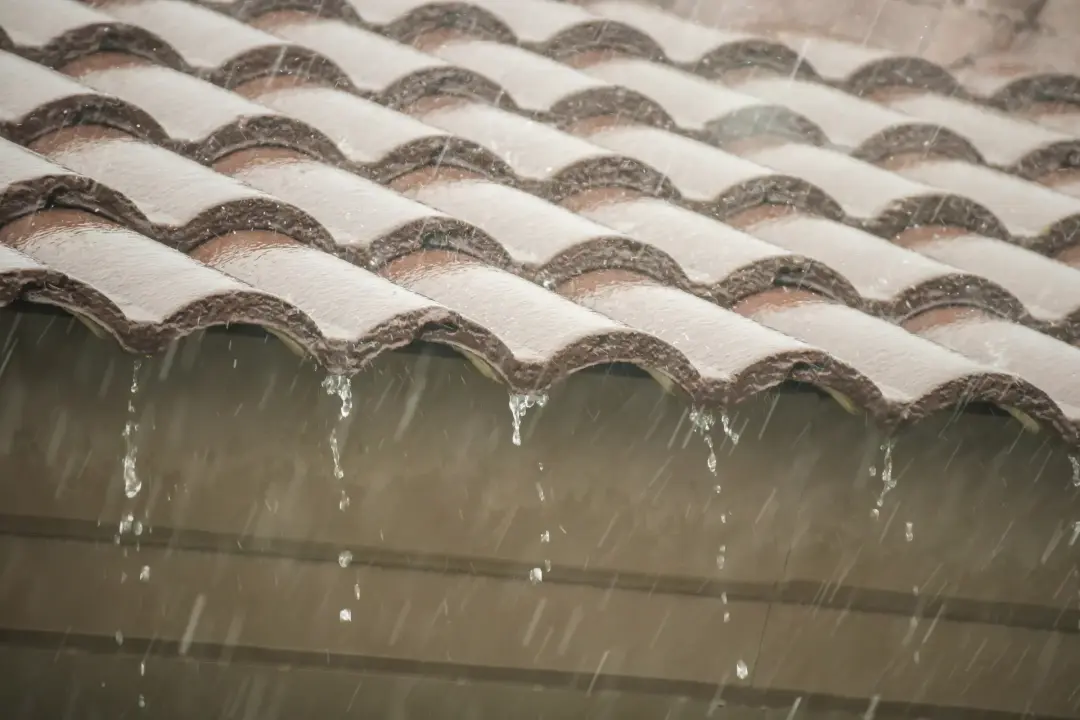
If you can see water dripping, running, or soaking through your ceiling, this is the biggest sign of an emergency. Active water ingress always means the roof is no longer keeping rain out, and the longer it continues, the more damage it can cause. Water can spread rapidly across the roof’s joists, soak through the insulation, and travel along wiring, so the visible patch is not always where the main problem is.
Heavy rain and wind can push water through small openings that are usually sealed. Once water gets into the roof space, it can pool in low points and then drop suddenly, sometimes hours after the rain has stopped. This can make the issue seem random, but it often means water is collecting and then breaking through at a weak spot.
A leak that reaches the electrics is especially urgent. If water is near light fittings, sockets, or a fuse box area, there is a risk of short circuits and fire. In this situation, avoid using the affected room if possible and switch off power to that area if you can do so safely.
Even a slow, steady leak needs quick action because damp materials do not dry out easily in a closed roof space. Wet insulation loses its ability to keep heat in, and timber can start to soften and weaken. Mould can also develop, which makes the indoor air quality worse and can spread into living areas.
Missing Tiles, Slates, Or Large Sections Of Roofing
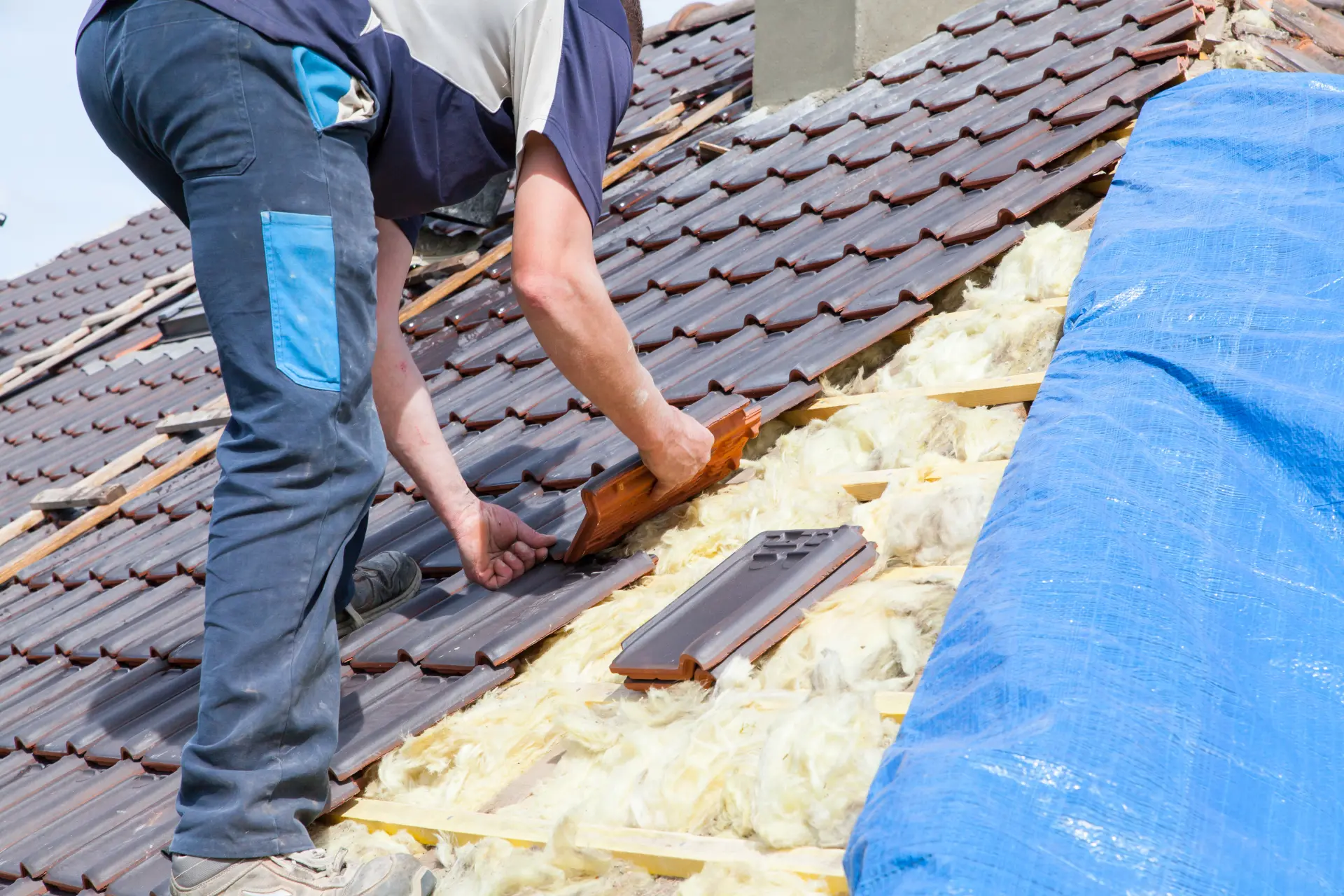
Missing tiles or slats can turn a minor problem into a serious one very quickly. Each tile is part of a system that sheds water down the roof. When one is missing, rain and wind can reach the underlayer and the timber beneath, and that underlayer is not meant to take full weather for long.
If a large number of tiles or slats have slipped or come away, it is considered an emergency because the roof may no longer be stable on your property. Wind can catch loose edges and lift more materials off, especially during storms. This can create lots of falling debris, which is a danger to people working or passing below, and it can damage cars, conservatories, and gutters.
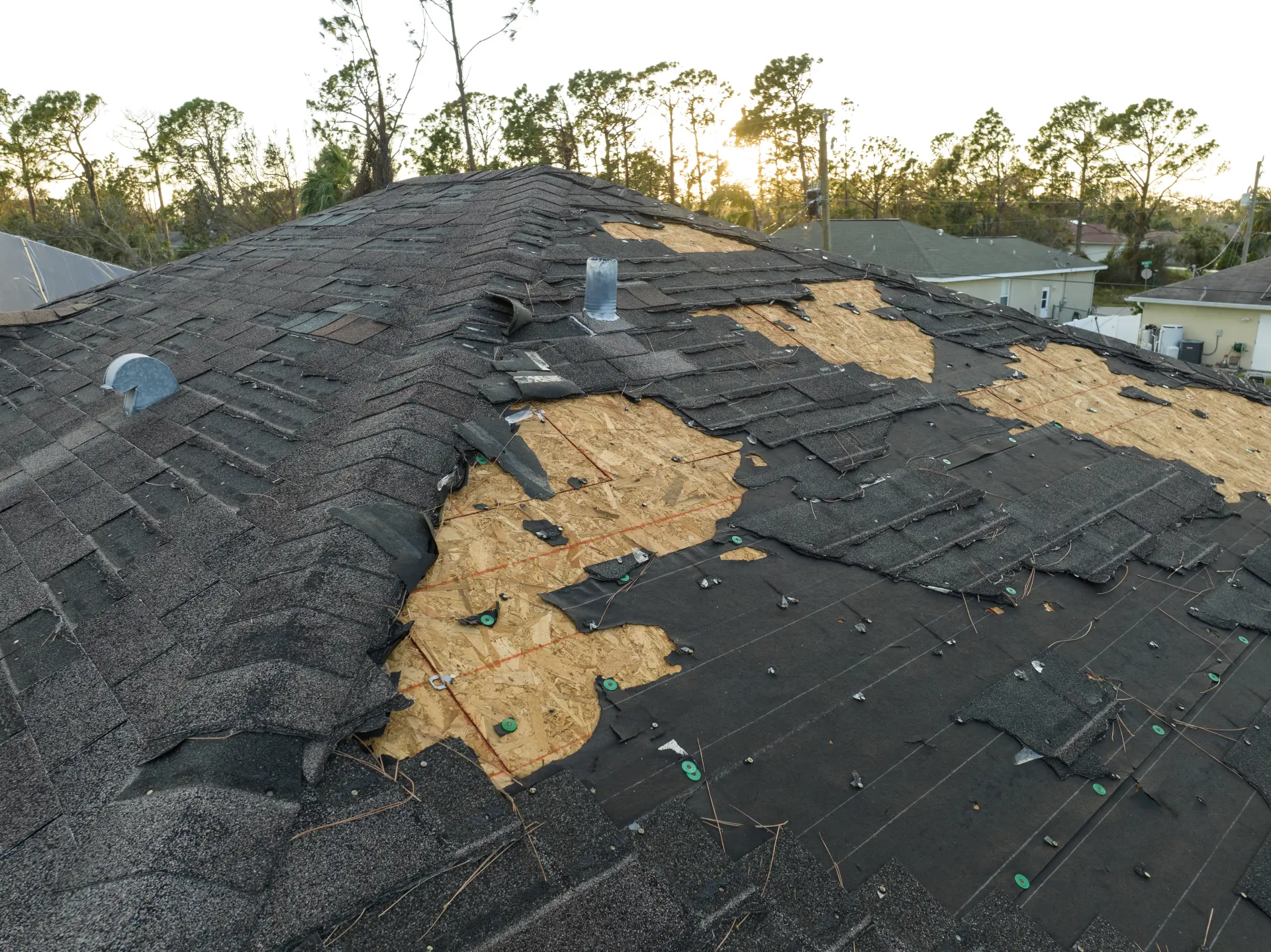
Damage from missing roof tiles can spread far beyond the missing area. Water can enter through the gaps in your roof and run along the rafters, soaking the battens. As time passes and the issue is neglected, it may cause sagging or movement in the roof structure. The sooner the opening is covered and secured, the lower the chance of any deeper structural harm.
Large missing sections are also a huge security and animal risk, and this is because birds and small animals can enter roof spaces through gaps. They bring all of their nesting materials in and block your ventilation paths. They can also damage insulation and wiring. In these cases, rapid temporary protection is often needed until a full repair can be done.
Damaged Flashing And Chimney Leaks
Flashing is the protective material that seals the joints around chimneys, walls, and roof changes. When flashing splits, lifts, or comes loose, water can run behind it and into the roof space. This is often an urgent matter because leaks around chimneys can become heavy during wind-driven rain.
Chimneys are exposed on all sides, so they take more weather stress than flatter areas of the roof. Mortar can crack, leadwork can shift, and the joint between the chimney and tiles can open up. When rain gets in, it can soak the chimney structure, then appear inside as damp patches on upstairs walls or chimney breasts.
A key reason flashing problems need urgent attention is that water can enter in a hidden way. Instead of dripping straight down, it can run along timbers and appear far from the chimney. By the time you see stains, the damp may have been building for a while, and active rain can quickly worsen it.
Loose flashing can also become a safety issue in high winds. If sections lift and flap, they may detach and fall. This can also pull on nearby tiles and widen gaps. Emergency work may involve securing the flashing, resealing weak points, and making the area weather-tight until a longer repair is completed.
Fallen Trees, Debris, And Impact Damage
If a tree or large branch falls onto your roof, treat it as an emergency, even if you do not see a hole. The impact can crack tiles, break battens, and damage the underlayer. It can also shift the structure slightly, creating gaps that let water in during the next rain.
Debris damage can be hard to judge from the ground. A branch can scrape away at the protective surfaces or wedge underneath your roof tiles, lifting them. Even smaller impacts can cause hairline cracks that later split wider during cold weather. After any impact event, it is wise to assume there may be hidden damage.
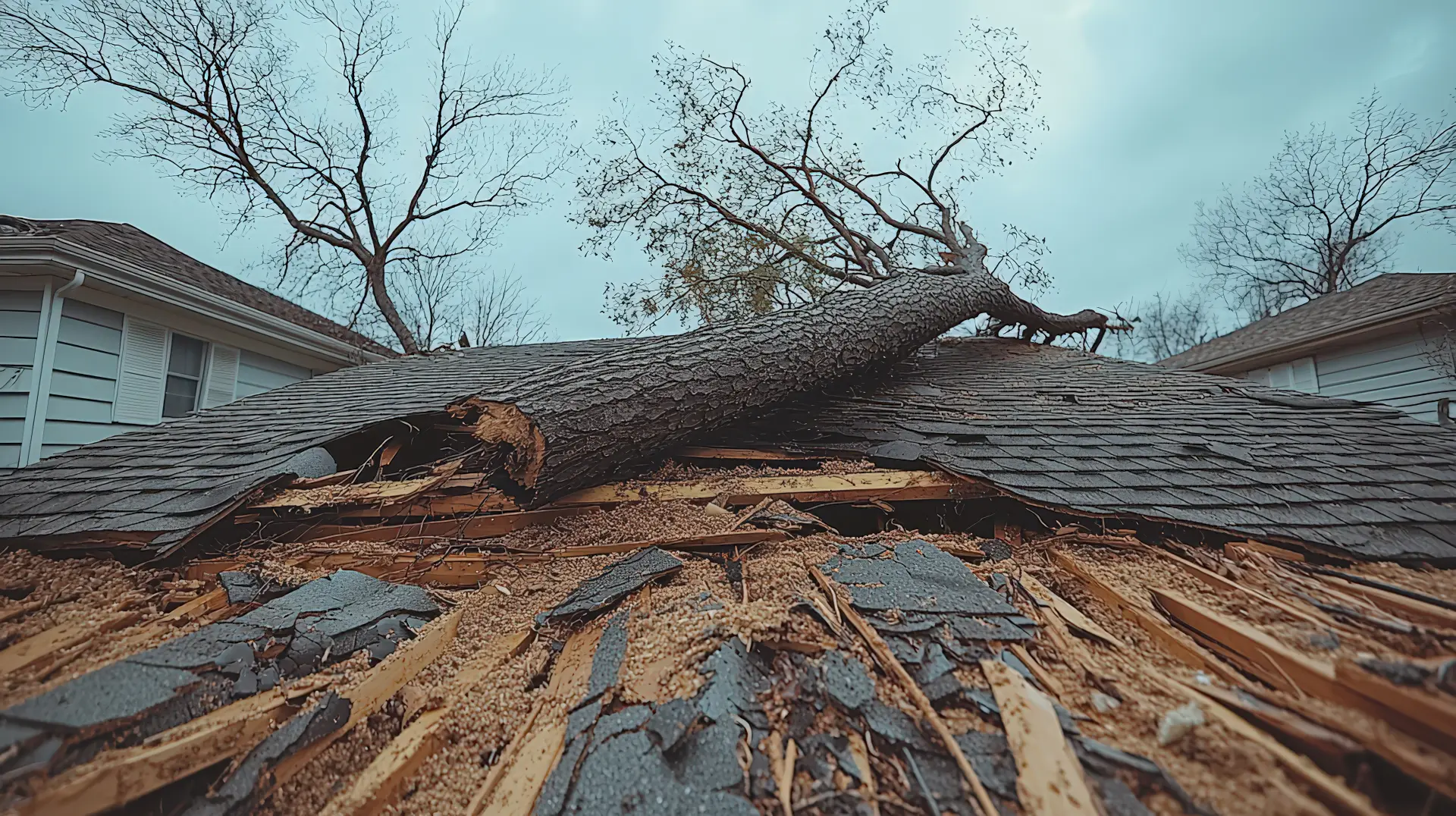
There is also a great chance your roof will become unsafe to live under. Heavy debris can overload one area, especially on older roofs. This can result in sagging, ceiling cracks, or lots of movement in the loft timbers. If you begin to hear creaking, see new cracks indoors, or notice doors sticking after a major impact, it can suggest structural strain.
In these situations, quick action is needed to reduce the risk of water entering your home or property through the damaged areas. Emergency repairs are fitting because they typically involve removing any loose debris where it is safe to do so, securing exposed sections, and fitting temporary coverings. The goal is to stop further harm and keep your home protected until full repairs can be arranged.
Internal Warning Signs Inside Your Home
Some emergencies tend to show first inside the home, not on the roof. Sudden bulging in your ceiling, fresh water stains, or water pooling on the window sills after rain can point to fast water entry. If a ceiling looks swollen or feels soft, it may be holding water and could collapse.
A strong, damp smell that appears quickly, especially after heavy rain, can also be a warning sign. Damp air can build up in the loft and spread into upstairs rooms. If you notice new mould patches appearing within days, it may mean moisture levels are high, and there is a source that needs urgent attention.
Pay attention to changes in the loft as well. Wet insulation, dripping felt, or dark patches on rafters after rain are signs that water is getting in. If you see daylight through the roof covering, that is an urgent opening that should be sealed as soon as possible.
Emergency repairs are also more likely if the problem affects safety and health. Water near electrics, ceilings at risk of falling, or fast spreading mould all raise the urgency. If you are unsure, it is safer to treat the situation as urgent and get the roof checked quickly, because early action can prevent major repairs later.
At Excellent Building & Roofing, we're here to supply the best installations, repairs, and upgrades for your residential roofing in Croydon, Streatham, Mitcham and London. No matter the problem or build, we're a trustworthy team of builders with all the skills to provide high-quality roofing services, including flat roofs, pitched roofs, gutters, and fascias.