Identify what causes common roof problems with our expert insights. Address issues like cracked tiles, condensation, and blocked gutters before they cause damage.
Understanding what causes roof problems helps you spot early warning signs and act before real damage happens. Some causes are natural and unavoidable, like ageing. Others come from preventable issues, like blocked gutters or poor workmanship.
Below are the most common causes, explained in detail.
Ageing Materials And Natural Wear
Every roofing material has a lifespan. Over the years, sunlight, rain, frost, and wind slowly break down the surface of tiles, slats, felt, flashing, and seals. Even strong materials become weaker as they dry out, crack, or lose their protective coating. This slow change is often hard to notice until a leak appears.
Temperature changes are a major cause of wear. Materials expand when warm and contract when cold. This movement happens daily and becomes more extreme in summer and winter. Over time, small gaps can open around joints, ridges, valleys, and chimney edges, making it easier for water to get in during heavy rain.
Storms also speed up the ageing process of your roofing. Strong winds can often loosen fixings and lift the edges. Lots of driving rain can force water into tiny openings that would not matter in calm weather. You’ll also find that hailstorms and flying debris can chip tiles and damage protective layers, leaving weak spots that grow worse with each storm.
Ageing does not only affect the visible roof covering. Underlayers, battens, and membranes can also degrade. Felt can tear or sag, and old nail holes can become entry points for moisture. When these hidden parts weaken, problems can appear even if the tiles still look fine from the ground.
Poor Installation And Workmanship Issues
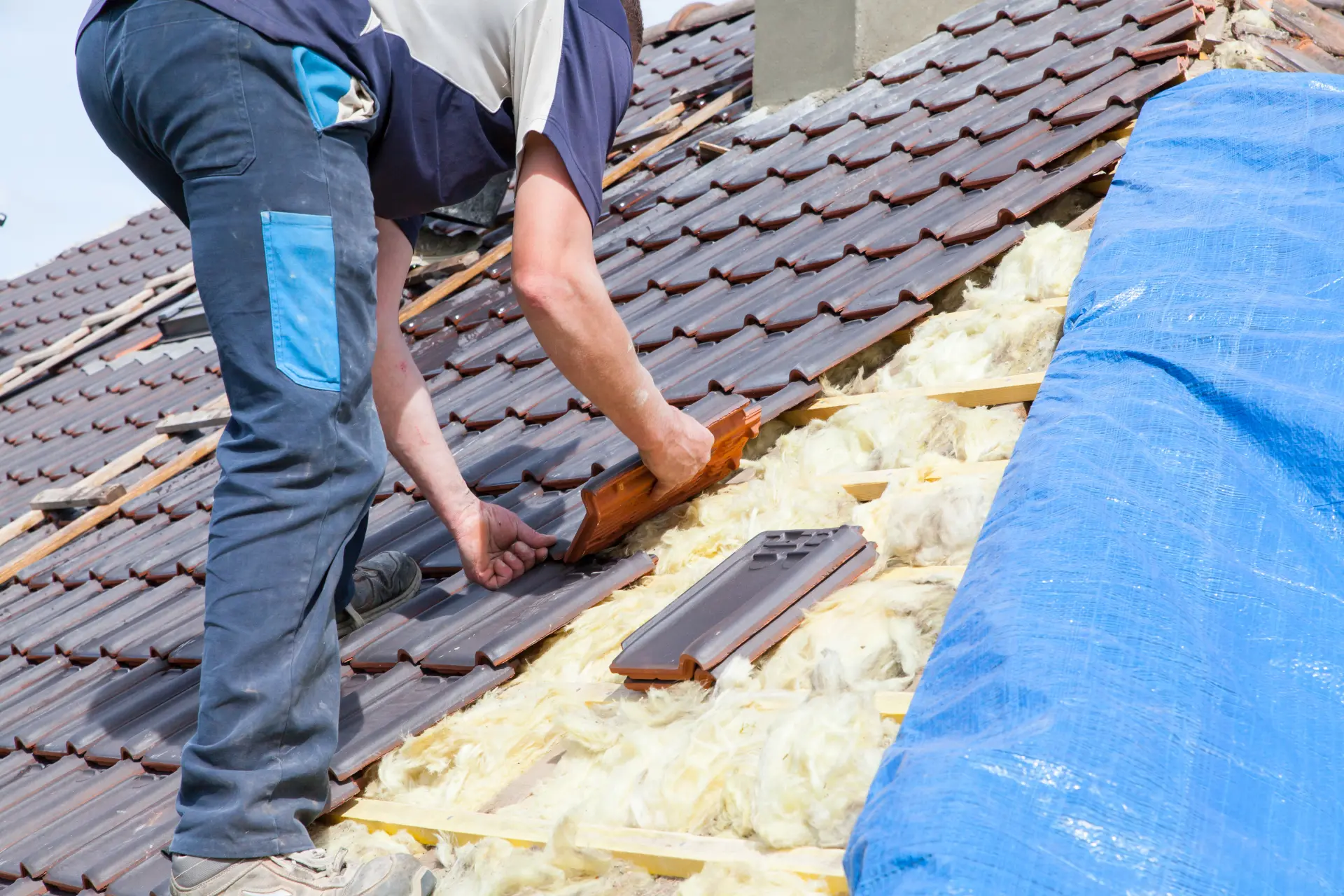
A roof can fail early if it was not fitted properly. Roofing is precise work, and small mistakes can create pathways for water. Common issues include poor alignment of tiles, incorrect overlap, weak fixing points, and badly formed joints where different parts meet.
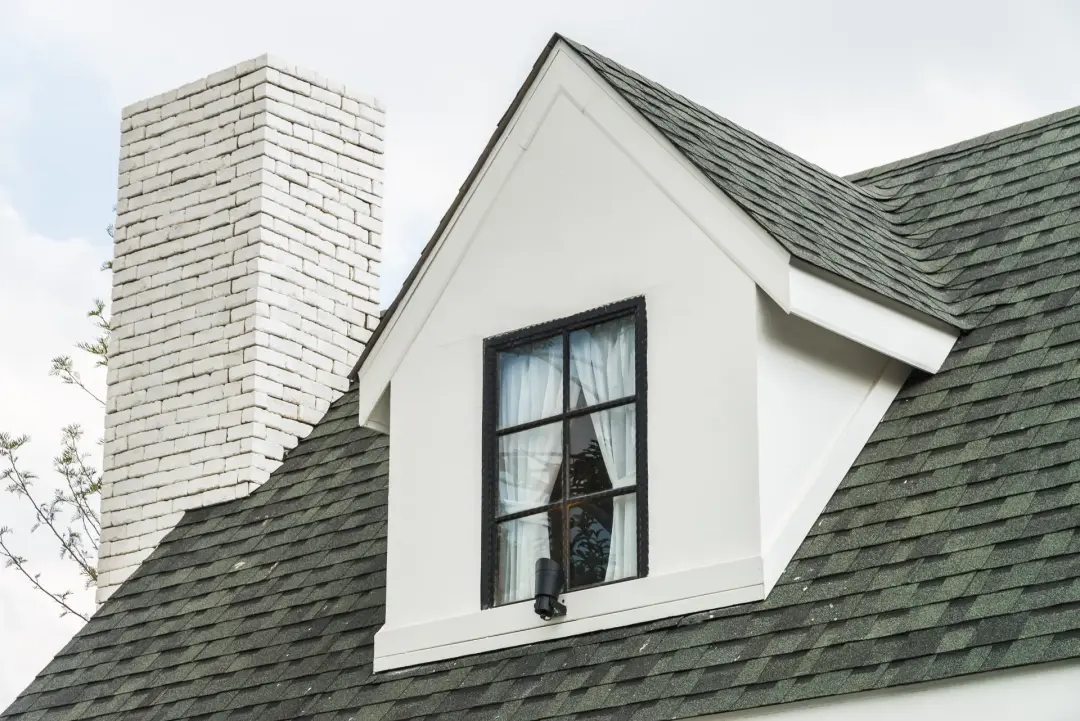
Flashing is one of the most common trouble areas when workmanship is poor. Flashing is the material most used by builders around your chimneys, walls, and roof joins to guide rainwater away. If it is cut incorrectly, fixed loosely, or sealed in the wrong place, water can run behind it and soak into your roof’s structure. This can lead to damp patches inside your home, often near chimney breasts or upstairs walls.

Another cause is using the wrong materials or shortcuts to save time. For example, the wrong type of underlay or a sealant used where a proper mechanical fix is needed. Sealants can break down in sunlight and cold weather, so a roof that relies on them too much may start leaking sooner than expected.
Poor workmanship can also affect how the roof handles wind and rain. If ridge tiles are not fixed correctly, they can crack, shift, or come loose. If valleys are not shaped and lined properly, water can collect and overflow into the roof space. These problems often show up after the first major storm, but the real cause is the original fitting.
Blocked Gutters And Water Build-Up
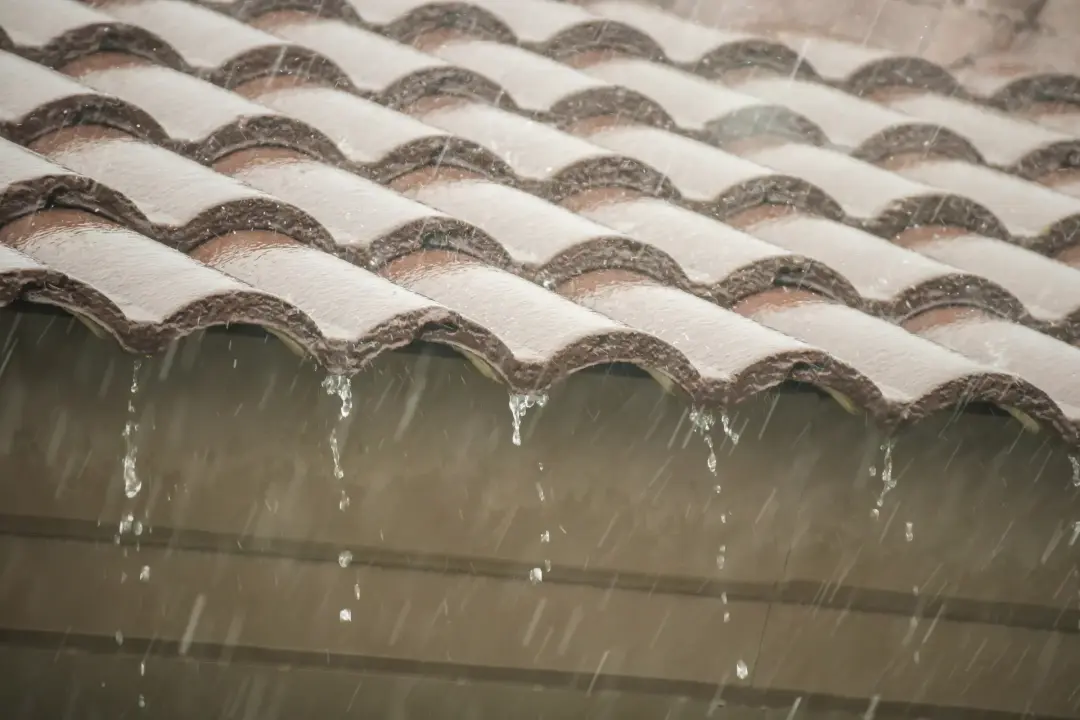
Gutters are created and built to carry rainwater away from the roof and walls. When they block with leaves, moss, or dirt, water has nowhere to go. It can spill over the edge and run down brickwork, soak into pointing, and enter through small gaps around windows or under eaves.
Water build-up at the roof edge can also damage the roof itself. When gutters overflow, water can creep back under the tiles at the lowest edge. Timber fascia boards can rot, and the ends of rafters can become damp. Over time, this weakens the roof structure and can lead to sagging or movement.
In much colder weather, blocked gutters increase the risk of freezing. Standing water can turn into ice, which expands and puts pressure on joints and brackets. This can cause gutters to crack or pull away from the wall. When the ice melts, the new gaps allow water to leak in places it should not.
Moss on the roof often links to gutter problems, too. Moss holds water like a sponge, and bits can break off and wash into gutters. This creates a repeating cycle, where the gutter blocks again soon after it is cleared. Regular cleaning and checks, especially after autumn and storms, help stop water build-up before it causes harm.
Cracked, Slipped, Or Missing Tiles And Slates
Tiles and slats can crack for several reasons. Impact damage is common, such as from fallen branches or heavy hail. Walking on the roof during other work can also break tiles if the weight is placed in the wrong spots. A single crack may seem minor, but it can let water through in wind-driven rain.
Slipped tiles typically occur when the fixings in the roof structure begin to weaken. The nails can start to corrode, the clips can fail, and the battens can degrade with age or damp. In more severe cases, strong winds will lift your loose tiles, and when one tile moves, the ones around it are likely to shift, too. This creates exposed gaps that allow rain to reach the underlayer and timber beneath.
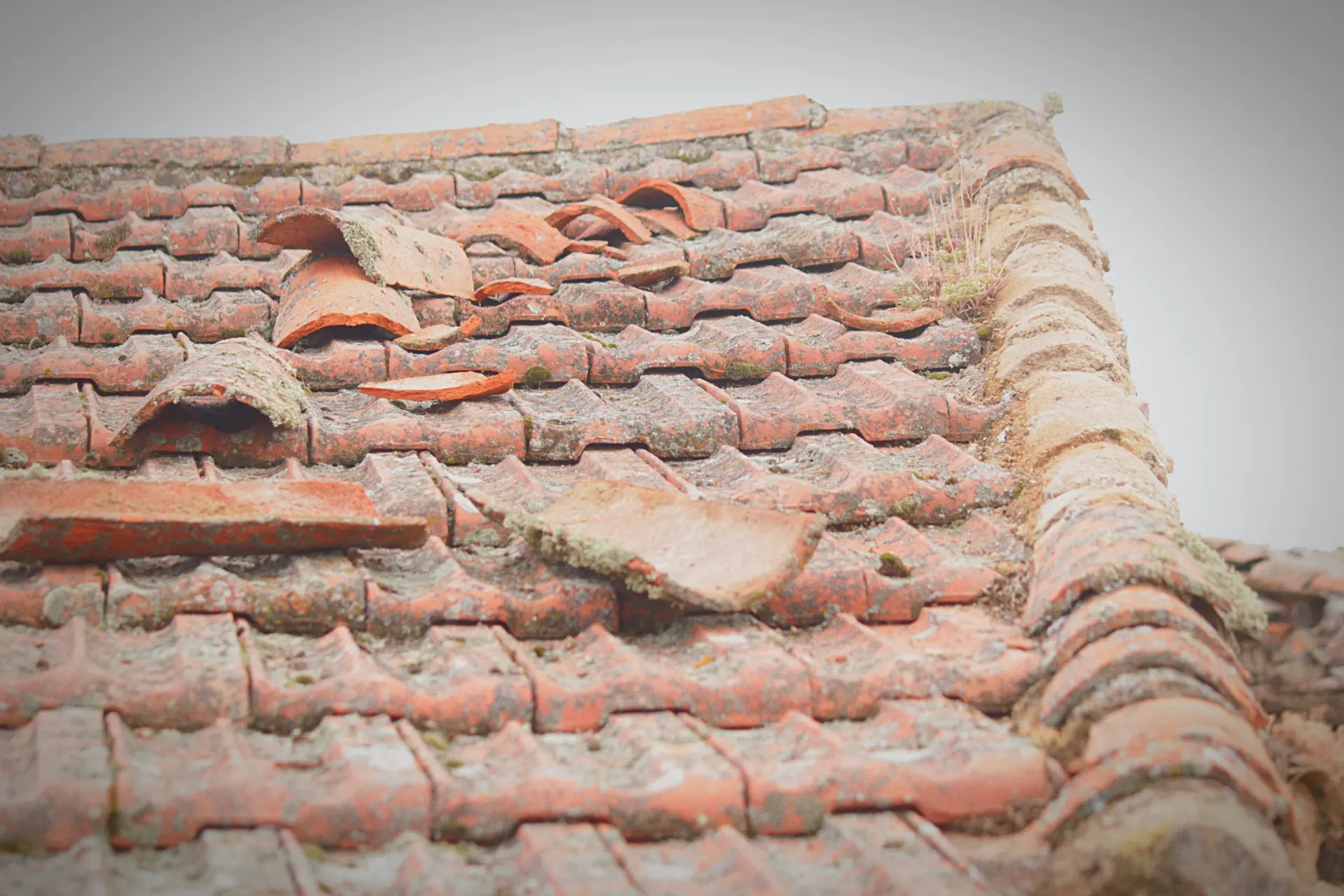
Missing tiles and slats are a serious risk because they leave the roof open. Water can enter quickly, and animals or debris can get into the roof space.
Even if the underlay is still present, it is not meant to handle direct weather for long. Prolonged exposure can lead to torn membranes and wet insulation, which reduces warmth and increases heating costs.
Damage is not always evenly spread. Areas around the chimneys, valleys, and roof edges are much more exposed to greater wind and water flow, so tiles can wear out faster there.
Also, if moss builds up, it can lift tile edges and hold moisture against the surface, increasing the chance of cracking in freezing weather.
Roof Ventilation Problems And Condensation
A roof needs the right balance of airflow to be efficient. Ventilation is best to help remove any moist air that rises from your bathrooms, kitchens, and living spaces. If warm, damp air gets trapped inside your loft, it can settle on cold surfaces and turn into water droplets. This process is called condensation, and it can look like a leak even when the roof covering is fully intact.
Poor ventilation often comes from blocked vents, missing vent routes, or insulation placed in a way that stops airflow at the eaves. Loft insulation is important for warmth, but it must not seal off the areas where air should move. When air cannot circulate, moisture stays longer and causes damp conditions.
Condensation can lead to mould growth and timber rot. Mould may appear on the underside of the roof felt, rafters, and stored items in the loft. Timber that stays damp can weaken over time, which can affect the strength of the roof. Metal fixings may also corrode faster in moist air.
Ventilation problems can also be made worse by everyday habits and poor extraction. If a bathroom fan vents into the loft instead of outside, it will send steam directly into the roof space. You should also be wary that drying clothes indoors without proper airflow can add even more moisture and cause mould issues down the line. Fixing ventilation and making sure moist air is completely removed at the source can prevent long-term damage and help the roof last longer.
At Excellent Building & Roofing, we're here to supply the best installations, repairs, and upgrades for your residential roofing in Croydon, Streatham, Mitcham and London. No matter the problem or build, we're a trustworthy team of builders with all the skills to provide high-quality roofing services, including flat roofs, pitched roofs, gutters, and fascias.