When can you replace just the damaged tiles?
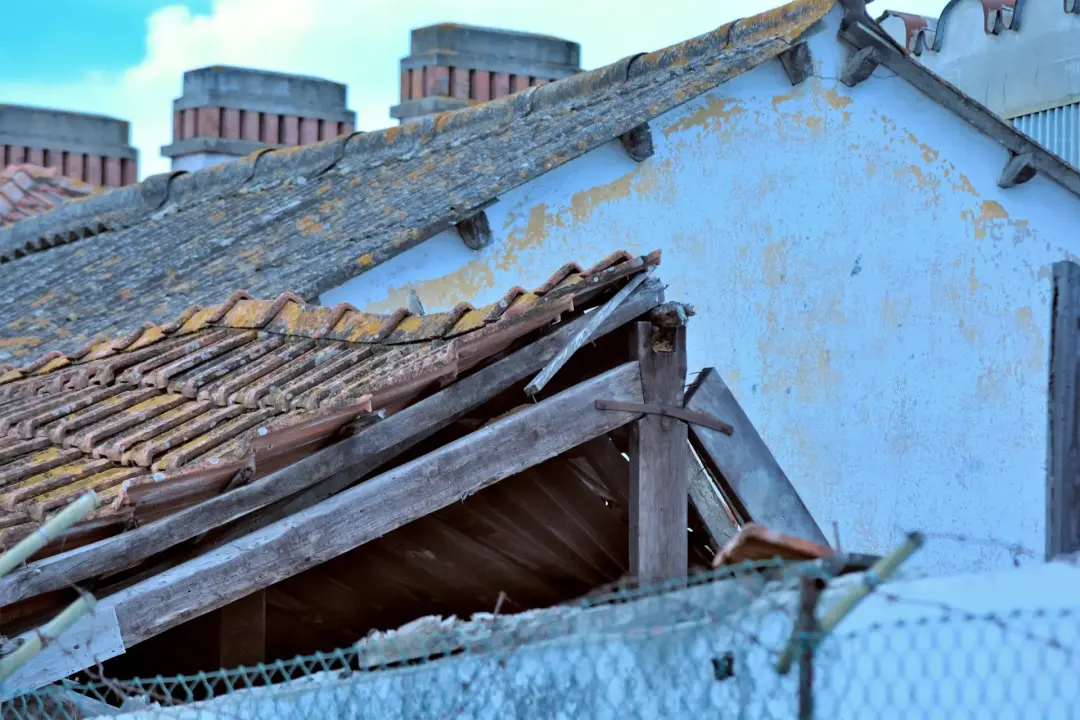
A few slipped slates or broken tiles around Croydon Minster can often be replaced individually if the surrounding covering, fixings and battens are sound. The first decision is whether the damage is confined to one spot. A cracked tile below a fallen branch suggests a different job from several slates that have slid out on different parts of the same slope.
Croydon Council’s conservation appraisal identifies natural slate and clay roof tiles among the materials used in the Victorian terraces character area, which includes the Howley Road terraces. Those coverings can look similar in colour from pavement level, particularly when weathered. Get the material identified on your own building before agreeing a repair specification.
How a roofer matches natural slate
A roofer should inspect the sound slates beside the defect and record their dimensions, thickness, edge finish and visible exposure. Exposure is the amount of a slate you can see once the courses overlap. Two pieces can measure the same across the face but sit differently in a roof if their thickness or fixing positions differ.
A sample held against the surrounding roof in daylight gives a better idea of colour and texture than a supplier photograph. Suitable reclaimed slate can work for a small repair if it is sound and matches the existing covering. Ask how any reused pieces will be selected and how the repaired slates will be secured without weakening those around them.
How to match clay tiles without lifting a course
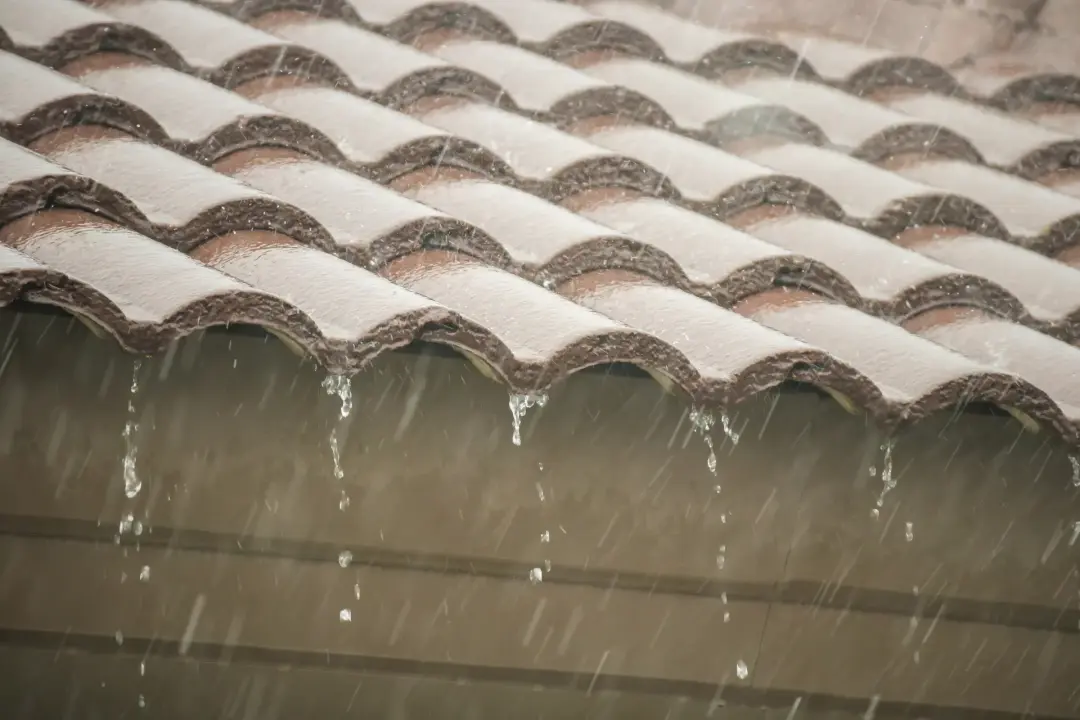
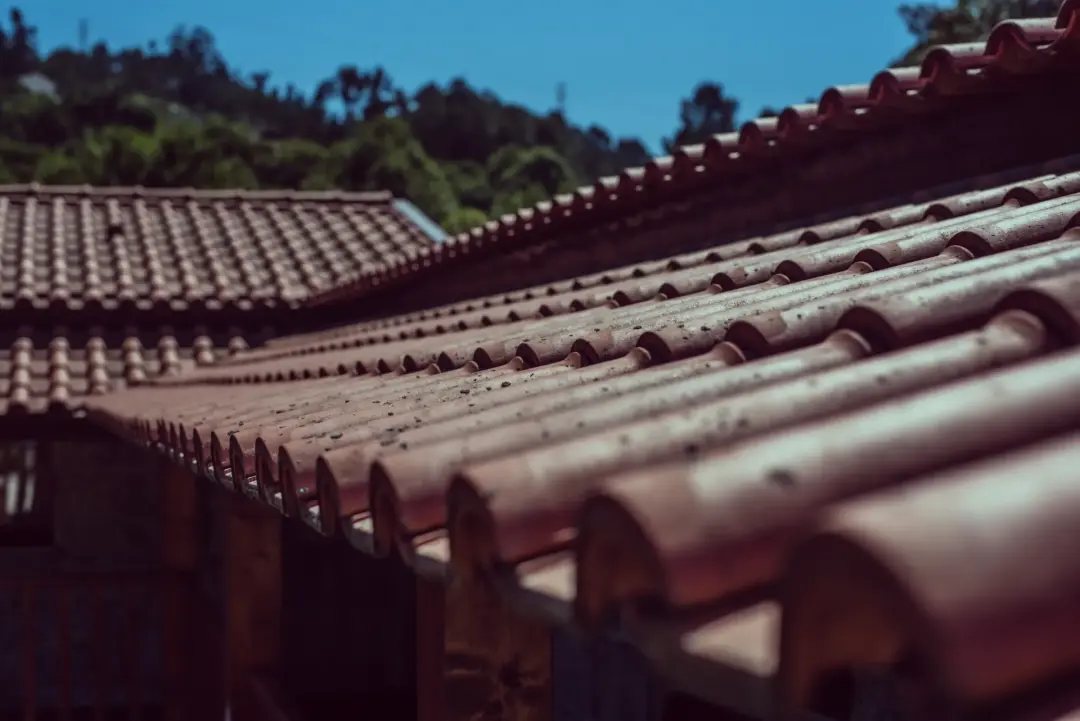
For clay tiles, check the profile as well as the colour. A plain tile sits differently from a shaped or interlocking tile. The roofer should compare the curve, length, width and fixing arrangement and check how the new piece sits over the tiles below. A replacement that lifts neighbouring tiles can leave a gap for wind-driven rain.
If the roof has a decorative ridge or a distinctive edge detail, ask whether the repair will disturb it. An individual field tile and a bespoke ridge piece are different sourcing jobs. Agree how long a specialist match may take and how the roof will be protected in the meantime if a piece cannot be sourced straight away.
When a patch is too small
Ask for a wider inspection when several courses have shifted, nearby fixings are failing, or water has damaged timber below. A slipped slate can be repaired where the defect is isolated. If several sound-looking slates are held by deteriorated fixings, replacing the first one you spot can leave the underlying problem unresolved.
The 2024 to 2025 English Housing Survey weather resilience fact sheet reports storm-related damage in 38% of homes with roof disrepair, compared with 17% of homes without roof disrepair. These figures are for England. For your own roof, ask to see photographs showing which faults were found and how far they extend before agreeing any work beyond the visible break.
What to check before changing the covering
Check the property address against the council’s current conservation area information and establish whether the building is listed. Ask the planning team which approvals apply to the specific work if you intend to change the covering, alter the roof profile or replace a distinct detail. Historic England advises that changes to the covering type or roof shape on a listed home need consent.
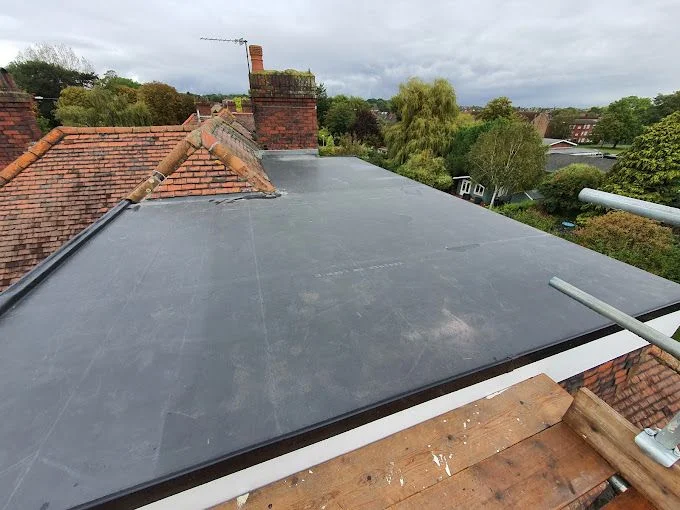
If you are comparing a matching repair with a different covering, ask for both to be described in writing. Include the proposed material, any change in weight, the roof details affected and how the repair would look from the street. Also check whether building regulations apply to the scope. A visual match alone does not answer whether the roof structure and fixings suit a different product.
What a useful repair quote should show
The quote should identify the slope and affected courses, explain access, specify the replacement material and say what will be reused. Ask what happens if lifting the damaged pieces reveals rotten battens or more failed fixings. A clear quote will tell you how additional work will be priced and agreed once there is evidence of it.
Photograph the roof from a safe position and note when you first saw the damage or any damp indoors. Tell the roofer about previous repairs and whether you have any spare tiles from the property. Those details help focus the inspection and give the roofer a useful starting sample if the originals are no longer made.
Summary
Start with the extent of the damage, then match the replacement to a sound piece of the existing roof. Agree how much original material can stay and check the property's status before accepting a different covering.