Discover the key differences in pitched roof vs flat roof options. Learn which roof type is best for your home’s style, function, and long-term value with our expert guide.
Choosing between a pitched roof and a flat roof is an important decision for any homeowner. Both roof types offer different benefits, from cost and appearance to drainage, storage, maintenance, and long-term value. This guide explains the main differences to help you decide which option is best for your property.
What Is a Pitched Roof?
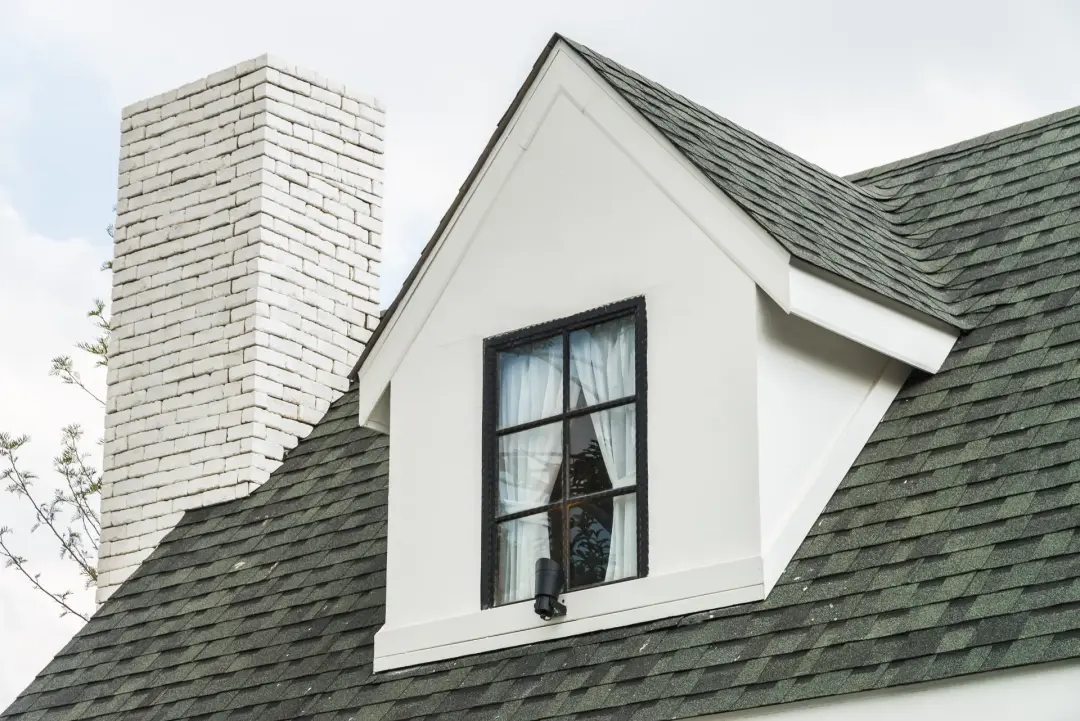
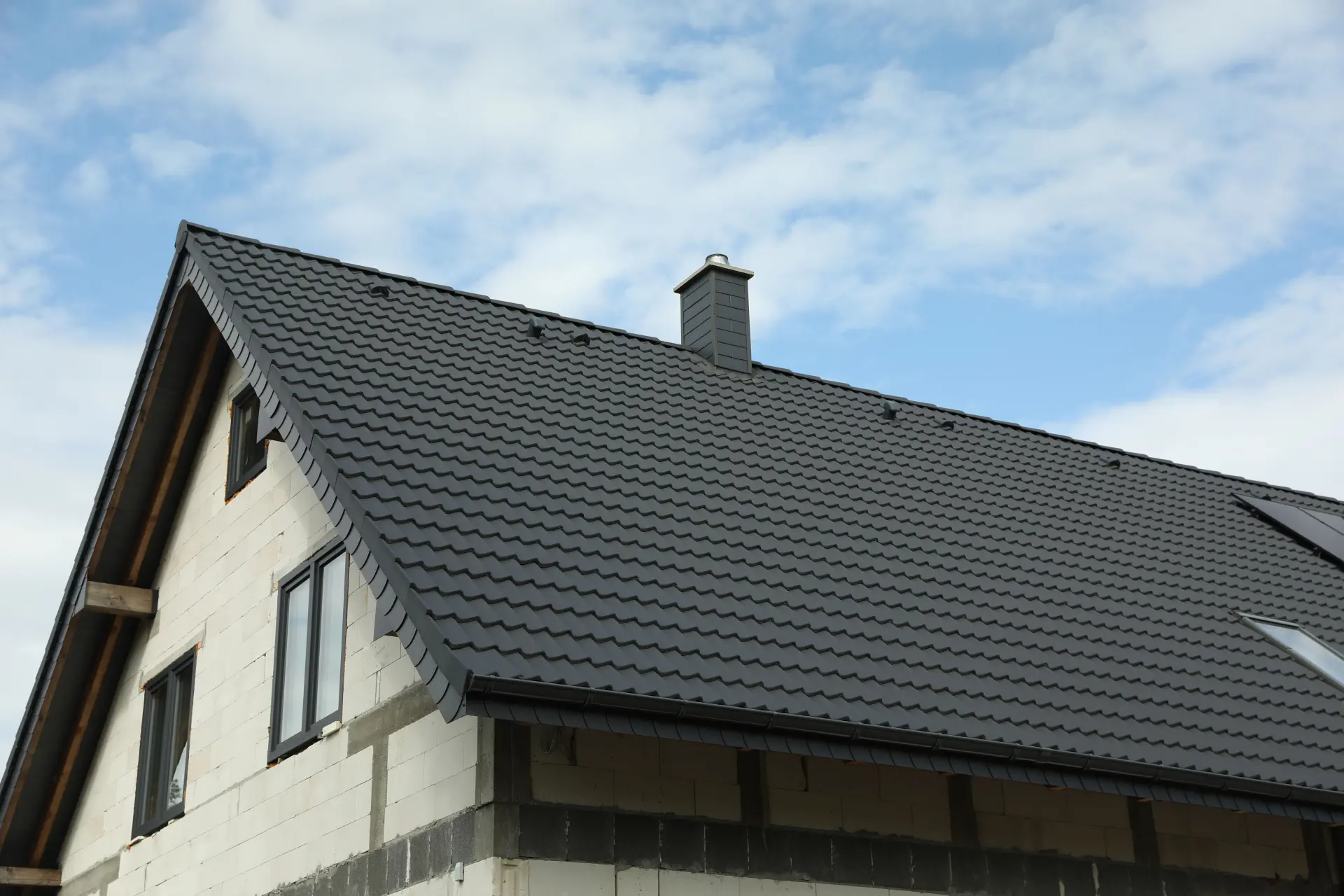
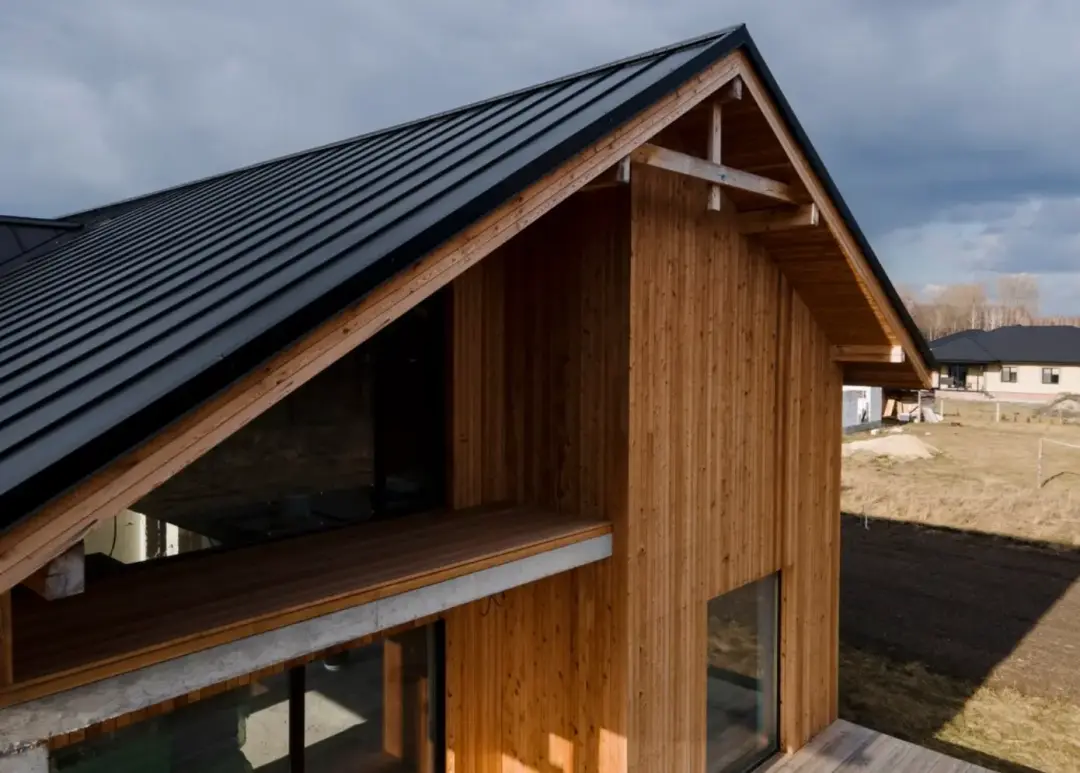
A pitched roof has sloping sides that meet at a ridge or a high point, and these slopes can be steep or shallow, depending on the style of the property, the local weather, and the roof's materials. The most common pitched roof designs are gable roofs, hip roofs, and mansard roofs. This type of roof is commonly used because it's practical, strong, and well-suited to wet weather.
The angled shape of the roof also helps rainwater run off the slates quickly, which reduces the chance of water sitting on the surface. This can help lower the risk of leaks, damp, and water damage. Pitched roofs can be used for storage or, in other homes, converted into a loft room. Overall, a pitched roof is a reliable, attractive, and long-lasting choice for many properties.
What Is a Flat Roof?
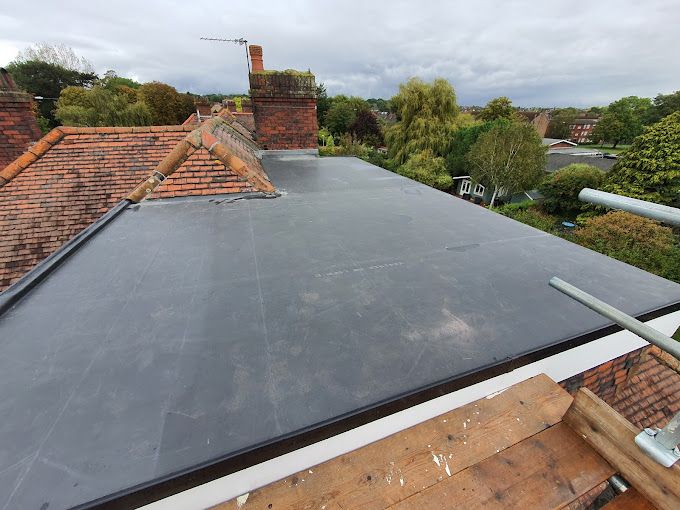
A flat roof is a roof that has a very low slope rather than a steep pitch. Although it may look completely level, most flat roofs are built with a slight fall so that rainwater can drain away into the gutter or outlet. Flat roofs are often used on extensions, garages, offices, shops, schools, and some modern homes, and they can be made with materials like felt, rubber, fibreglass, asphalt, or liquid roof coverings.
This roof type is commonly used because it's simple, practical, and makes good use of your property's space. A flat roof can be quicker to build than a pitched roof, and it can be easier to access for when you need roof inspections, cleaning, or repairs. Another reason flat roofs are popular is that they can suit many building types and give a property a clean, modern look.
Main Differences Between Pitched and Flat Roofs
The main difference between pitched and flat roofs is their shape. A pitched roof has sloping sides that meet at a ridge, whereas a flat roof has a low slope that often looks level.
A pitched roof is often used for houses because it's good at moving rainwater away. This can help reduce leaks and damp, and it also creates extra loft space, which can be used for storage or converted into an extra room. Pitched roofs can be long-lasting and attractive, but they are usually more complex to build.
A flat roof is often used on extensions, garages, offices, and modern homes, and it can often cost less and be quicker to install. It's also easier to access, and they can support solar panels or roof terraces if it's designed and installed properly. However, flat roofs need good drainage because water can often sit on the surface, and they also need more maintenance to prevent leaks and water damage over time.
Which Roof Type Costs More?
The price of a pitched roof or flat roof installation depends on the size of the building, the materials used, the labour needed, and the condition of the existing structure. In many cases, a pitched roof costs more to install than a flat roof because they usually need more materials, more timber work, and more time to build. They may also need scaffolding, tiles or slates, ridge pieces, underlay, battens, and more detailed roof framing.
Flat roofs are often cheaper, but only if they're used for smaller projects, such as garages, extensions, and outbuildings. They can be quicker to fit, and they can be made from materials such as felt, rubber, fibreglass, or liquid coverings. However, a low upfront cost doesn't always mean it's the cheapest option in the long term. A pitched roof can last for many years when it's well-maintained, and its shape helps rainwater drain away easily. A flat roof, on the other hand, may need more regular checks, cleaning, and repairs, especially if water can't drain away properly.
How Long Does Each Roof Type Last?
A well-built pitched roof can often last around 40 to 80 years if it's kept in good condition, and slate roofs may last even longer. Tiled roofs can also provide decades of protection as long as any damaged tiles are replaced and the roof structure is kept in good condition. Pitched roofs tend to last a long time because their sloping shape helps rainwater drain away quickly. This is useful because less standing water means there's a lower risk of leaks, damp, moss growth, and water damage occurring.
On the other hand, many flat roofs tend to last around 15 to 30 years, depending on the covering. Felt roofs may have a shorter lifespan, while rubber, fibreglass, and newer liquid systems can last longer when they are fitted properly. Flat roofs need more maintenance and care because water can often sit and pool on the surface if there's poor drainage. Leaves, dirt, and blocked outlets can also cause problems, too, which can impact the roof's lifespan.
Which Roof Needs More Maintenance?
Flat roofs usually need more maintenance than pitched roofs because their low slope can make draining water difficult. Although flat roofs are designed with a slight fall, rainwater can still sit on the surface if the gutters, outlets, or drainage channels become blocked.
This can increase the risk of leaks, damp, and damage to the roof covering over time. Flat roofs should be checked regularly for standing water, cracks, blisters, splits, loose edges, and worn areas, and any leaves, moss, and dirt should also be cleared away, especially after heavy rainfall or windy weather.
Pitched roofs generally need less maintenance because their sloping shape helps rainwater drain away easily. However, they still need proper care to stay in good condition; this can include checking for cracked, slipped, or missing tiles, clearing the gutters, inspecting the flashing around the chimney and roof joins, and looking for signs of moss, damp, or leaks inside the loft.
Weather Protection and Drainage
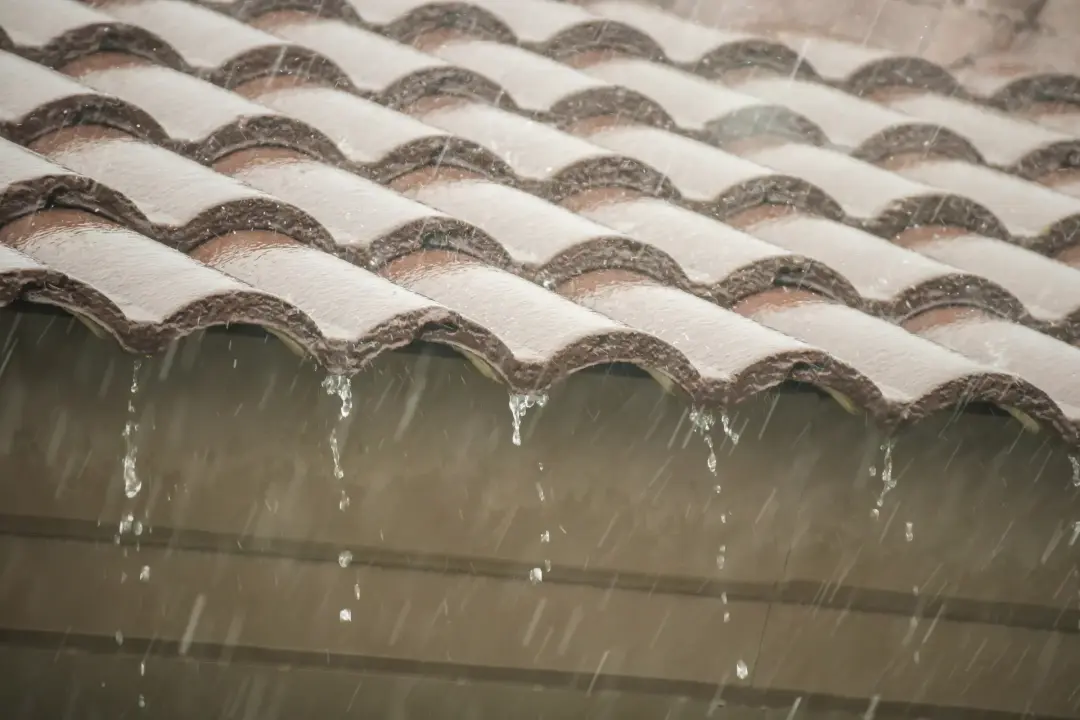
For weather protection and drainage, pitched roofs are usually the better choice since their sloping shape helps rainwater drain away into the gutter.
This reduces the risk of issues like standing water, leaks, damp, and long-term water damage. Pitched roofs also cope better with wind and heavy rain when they're built properly and covered with suitable tiles or slates.
Flat roofs can still provide good weather protection, but this depends on the flat roof having the correct design, good materials, and regular care.
Although they are called flat roofs, they should have a slight slope to help water drain away. If this slope is too shallow, or if the gutter or outlet becomes blocked, water can sit on the surface. Over time, this can cause issues like cracking and leaks.
Energy Efficiency and Insulation
Both pitched and flat roofs can be energy efficient when they are properly insulated, but pitched roofs often have a slight advantage. This is because they usually create a loft space, which gives homeowners room to add insulation. Loft insulation can help retain heat inside your home during winter and reduce the build-up of heat during summer. This can make the home more comfortable and help lower your energy bills.
Flat roofs can also provide good energy efficiency, especially when modern insulation systems are used. These roofs are often insulated using warm roof or cold roof methods. A warm flat roof installation involves placing insulation above the roof deck, which can help reduce heat loss and condensation. However, the main challenge with flat roofs is that there's usually less space to work with, especially on older buildings.
Space, Storage and Loft Use
When it comes to space, storage, and loft usage, pitched roofs are usually the better option, since it often creates space between the ceiling and the sloping roof structure.
In many homes, this area can be used as a loft for storing boxes, seasonal items, luggage, tools, and other household belongings. If there's enough head height and the structure is suitable, the loft can also be converted into a bedroom, office, or extra living area. This makes pitched roofs popular for homeowners who want more usable space without investing in a full extension.
Flat roofs don't usually create the same kind of internal storage space as pitched roofs do, since they sit closer to the ceiling. However, flat roofs can still be useful in other ways. If it's designed to handle the weight, flat roofs can support solar panels, plant equipment, or even a roof terrace.
Design and Appearance
Pitched roofs are often seen as the more traditional design choice because their sloping shape can add character, height, and detail to a property. They can be finished with tiles or slates in different colours and styles, which can help them suit older homes, cottages, and many types of modern houses. A pitched roof can also make a home look larger and more balanced from the outside.
Flat roofs are often better suited to modern buildings, extensions, garages, and commercial properties since their simple, low shape can create a clean and neat appearance. They can work well on homes with a more modern design, especially if straight lines and a simple finish are preferred. Flat roofs can also help an extension sit lower, which can make it less visible from neighbouring properties.
Planning Permission and Building Rules
For planning permission and building rules, neither pitched nor flat roofs is better. The right choice depends on the type of building you have, the size of the work, the location, and how the roof will be used. In many cases, roof repairs or small changes can fall under permitted development, but there are limits. Planning rules can be stricter for listed buildings, conservation areas, flats, and homes with previous planning limits.
A pitched roof can sometimes be more difficult to approve if it changes the height, shape, or look of the property, and it may also affect the neighbours by blocking their light or changing the street view. However, pitched roofs are often easier to match with traditional homes, which can help with planning permission.
Flat roofs are often useful for extensions because they can keep the overall roof height lower. However, if you want to use a flat roof as a balcony or a raised area, you'll likely need planning permission. Building rules still apply to both roof types, especially regarding structure, insulation, drainage, and fire safety.
Which Roof Is Best for Extensions?
For extensions, both pitched and flat roofs can work well, but the better choice depends on your property, budget, space, and design. Flat roofs are often chosen for single-storey extensions because they can be simple, neat, and cost-effective to install. They usually keep the extension lower, which can help you avoid blocking out light to nearby windows or neighbouring homes. A flat roof can also suit modern designs and can be used for roof lights, solar panels, or a roof terrace if the structure is built for it.
Pitched roofs are often the better choice when the extension needs to match the main house. They can look more traditional and can blend in well with tiled or slated roofs. However, the main downside is that pitched roofs can cost more and may need more space and height. Overall, flat roofs are often better for smaller or modern extensions, while pitched roofs are better for extensions that value appearance, drainage, and durability.
Common Problems with Pitched Roofs
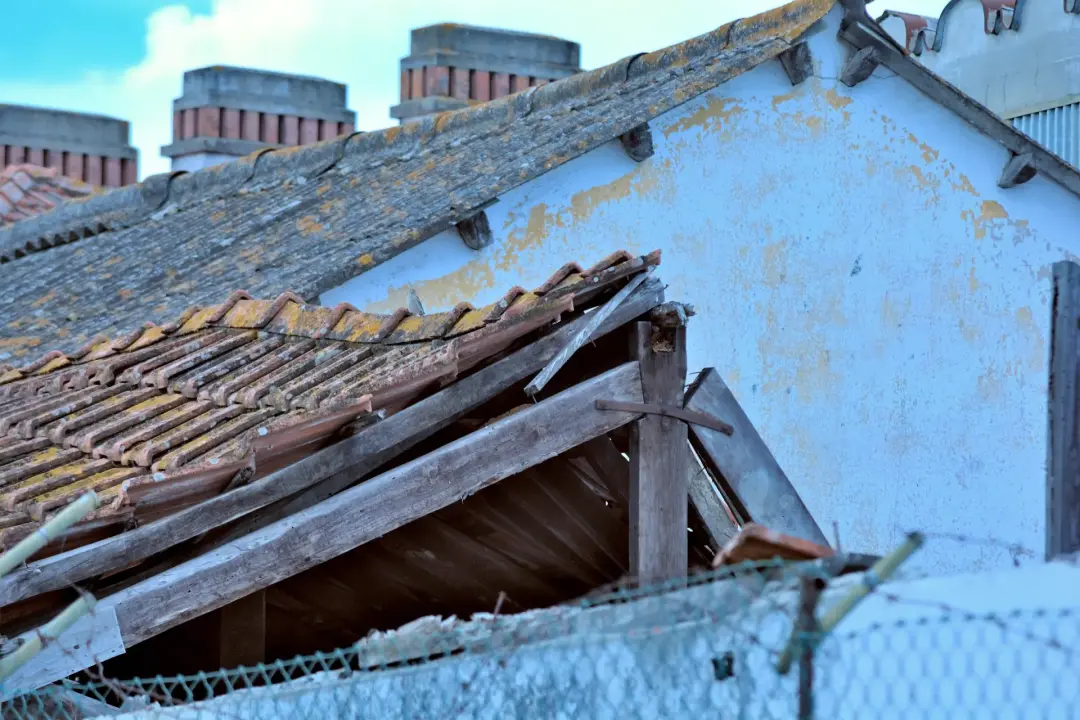
One of the most common issues with pitched roofs is broken, slipped, or missing tiles. This can happen after strong winds, heavy rain, frost, or general wear and tear. When the tiles move out of place, rainwater can enter the roof and cause leaks or damp patches inside the home. Another problem is damaged flashing around the chimney, roof valley, skylights, and joins. The flashing is meant to seal gaps, so when it cracks or comes loose, water can get through. Blocked gutters are another frequent issue since leaves, moss, and dirt can stop water from draining properly, which can lead to overflows and water damage.
Common Problems with Flat Roofs
One of the main issues with flat roofs is standing water. Although flat roofs should have a slight slope, water can still pool on the surface if the drainage is poor or if the gutters and outlets become blocked. Over time, this can weaken the roof covering and increase the risk of leaks. Cracks, splits, blisters, and bubbles are also common problems, and these issues can happen due to age, weather changes, foot traffic, or a poor installation.
Flat roofs can also suffer from loose edges, damaged seals, and worn-out joints around the roof lights, walls, and pipes. Leaves, moss, and dirt can make existing drainage issues worse, especially during autumn and winter, and trapped water can also freeze and expand during this time, which can cause even more damage.
Repairs and Replacement Costs
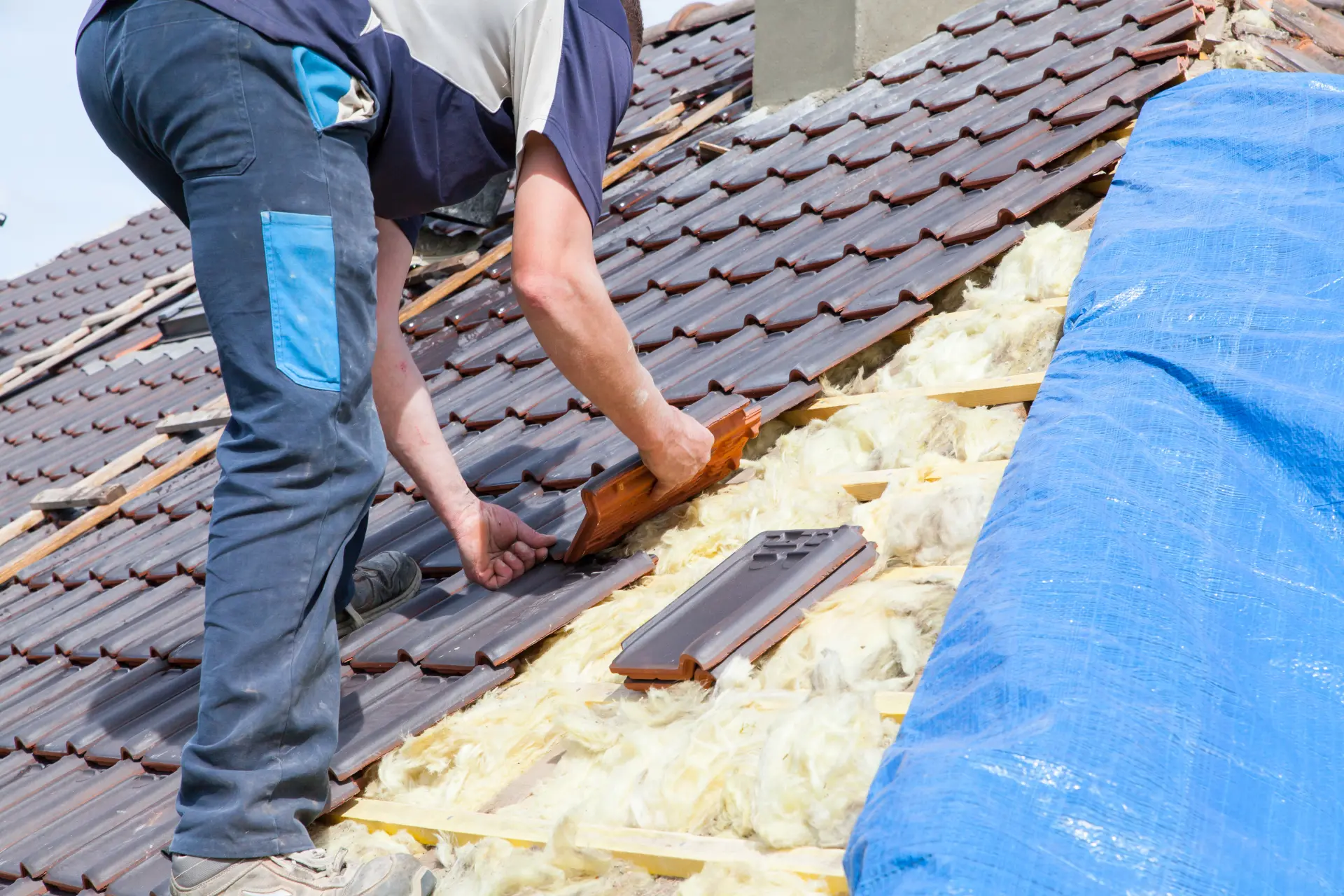
Repair and replacement costs can vary for both pitched and flat roofs, but the type of roof you have often affects how much work is needed. Flat roofs are often cheaper to repair because they are easier to access and usually have a simpler structure. Small splits, cracks, loose edges, or worn patches can often be repaired without removing large sections of the roof. However, if a flat roof has repeated leaks, poor drainage, or old materials, a full replacement may be needed.
Pitched roof repairs can cost more, especially if scaffolding is needed or if the damage is serious, hard to reach, or spread across several areas. The most common repairs include replacing broken tiles, fixing ridge tiles, repairing the flashing, and clearing blocked gutters. While individual tile repairs can be simple, larger issues with the roof frame, underlay, or valleys can be more expensive.
Which Roof Adds More Value?
When it comes to adding value, a pitched roof often has the advantage. This is because pitched roofs are usually seen as durable, attractive, and well-suited to wet weather. Their sloping shape helps rainwater drain away, which can reduce the risk of leaks and damp, and buyers may view a pitched roof as a strong, long-term feature, especially if it has been well-maintained. A pitched roof can also create loft space, which can be used for storage or converted into an extra room if the structure and height allow for it.
Flat roofs can still add value, especially on modern extensions, garages, and commercial buildings. They can look neat, simple, and stylish, and they can also support roof lights, solar panels, or a roof terrace if it's built correctly.
How to Choose the Right Roof for Your Home
Choosing the right roof type depends on your property, budget, location, and long-term plans. A pitched roof is often a good choice for traditional homes, larger properties, and buildings that need strong weather protection. Its sloping shape helps rainwater drain away, and it can also create extra loft space, making it a practical option for homeowners who want extra room.
A flat roof is often better for extensions, garages, modern homes, or areas where height is limited. Flat roofs can also work well with roof lights, solar panels, or a roof terrace if it's designed correctly. However, you need to think about maintenance plans, lifespan, appearance, insulation, and planning rules before you make any decisions. This is because a pitched roof can cost more at first, but it can last longer, whereas a flat roof can cost less to install, but it may need more maintenance.
Excellent Building & Roofing provides reliable roofing services for homes and businesses across the UK. From new roof builds to replacement roofs, our skilled roofers combine quality materials and meticulous workmanship to create strong, weather-resistant results.