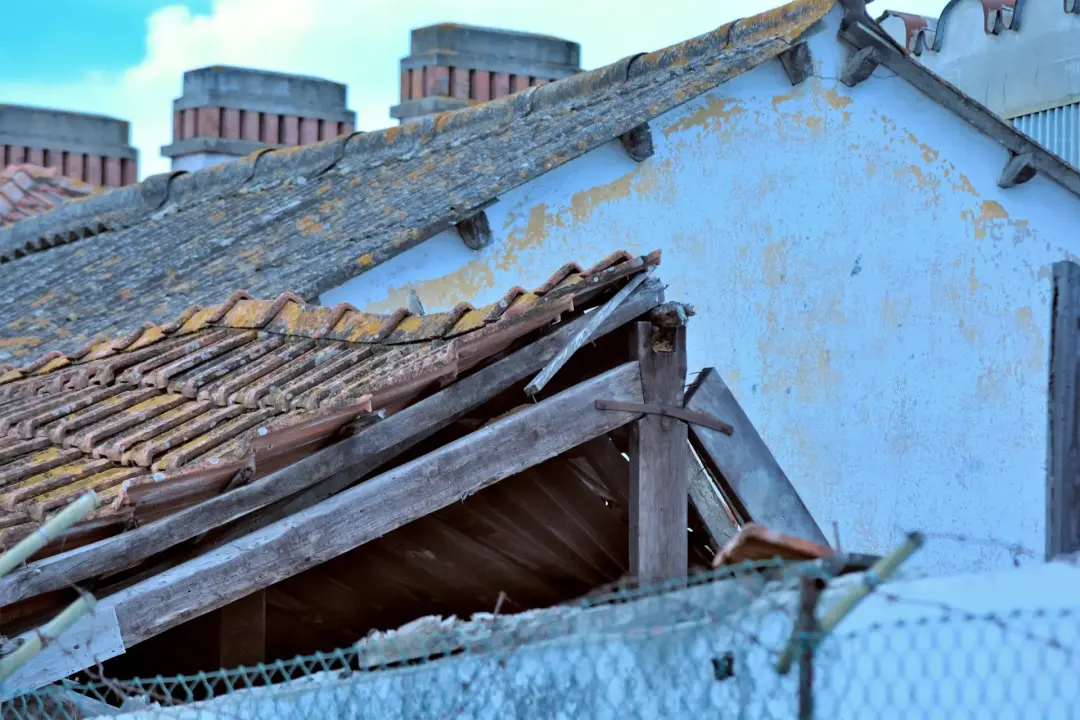

Preventing winter roof leaks starts with clear drainage and sound roof details before prolonged wet weather arrives. An autumn check should cover tiles, flashing, gutters, outlets and the loft. For a home in Streatham, planned maintenance is more useful than waiting for the first ceiling drip during a storm.
Arrange an inspection before prolonged rain
Leave time to obtain materials and complete necessary work while conditions allow safe access. From ground level, note displaced coverings, loose ridge pieces and gutter sections that no longer sit straight. Tell the roofer about previous leaks even if they disappeared during summer. Dry weather can hide a defect without curing it.
Agree a clear scope: inspect known weak points and drainage, record defects and explain which repairs matter before winter. Keep dated photographs of the finished work. They provide a baseline if something changes after severe weather and help avoid investigating the same issue from scratch.
Clear gutters, outlets and downpipes
The Met Office winter preparation guidance warns that autumn leaves can fill gutters and drainpipes, causing water to back up against roofs and walls. Clearing a gutter is incomplete when its downpipe or ground-level gully remains blocked. The whole route needs to discharge as intended.
Use a professional with suitable access for high-level work. Ask for confirmation that outlets are clear and gutters drain towards them. If overflow continues after cleaning, investigate bracket alignment, inadequate falls or limited capacity. Repeatedly removing leaves will not correct the wrong gutter profile or a sagging run.
What the latest rainfall figures mean
The Met Office’s July 2026 climate assessment reports that October-to-March rainfall in 2016–2025 was 13% higher across the UK than in 1961–1990, and 3% higher than in 1991–2020. This is a national long-term comparison, not a forecast for this winter or a local rainfall total.
It supports making drainage checks routine. Persistent rainfall can expose an existing weakness when repair access is harder. Concentrate on reliable water paths and secure details rather than selecting a roof coating simply because a seasonal headline sounds worrying.
Include rooflights and chimney flashing
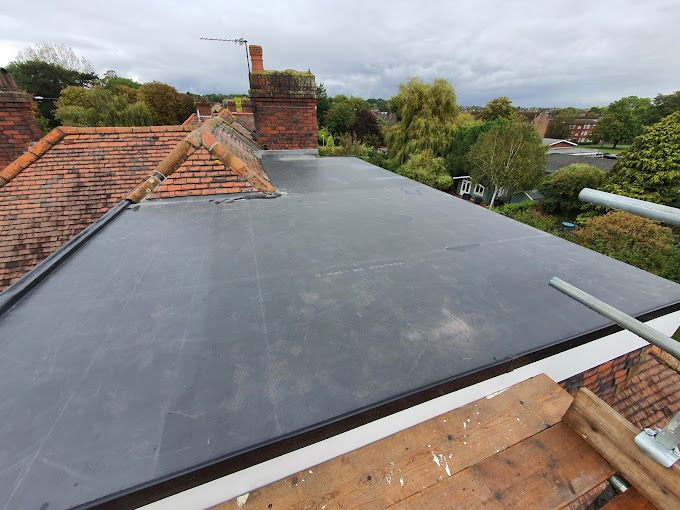
Rooflight kerbs, vent pipes, chimneys and the junction between an extension and a wall deserve attention. These locations rely on carefully formed overlaps and terminations. Ask whether flashing has lifted, pointing has opened or a previous repair has begun to separate.
The remedy should suit the existing roof system. General-purpose sealant spread over several materials may hide the junction and complicate proper repair. If an aerial, satellite dish or cable was recently fitted, include its connections in the check. New fixings must not puncture waterproofing without an appropriate detail.
Control moisture in the roof space
Check that stored boxes and added insulation have not obstructed designed eaves ventilation. A loft can become damp from condensation even with intact roof coverings. Bathroom and kitchen extraction should discharge outside through a suitable route, rather than release moisture into the roof space.
Do not remove insulation or add vents randomly. Warm roofs, cold roofs and older construction need different moisture strategies. Record widespread droplets separately from a local rain-related stain and ask the professional to establish the cause. Prevention means solving the right problem, not treating all loft damp as failed tiles.
Return after the main leaf fall
The SPAB maintenance checklist recommends an autumn clearance and suggests a spring clearance too. An additional visit may be needed beneath deciduous trees after leaves have finished falling. Guards reduce some debris but do not make outlets maintenance-free.
Keep the inspection photographs and invoices together.
Check that flat roof outlets and overflows remain clear.
Observe drainage from a sheltered, safe location during rain.
Report new displacement or water entry after severe weather.
Never climb onto a roof in frost, rain or strong wind. If a leak develops, protect people first and arrange safe professional access.
Summary
A winter-ready roof has clear drainage, secure coverings, sound junctions and a roof space managed for moisture. Check in autumn, revisit after leaf fall and keep records of repairs.
If you have identified a weak point before winter in Streatham, ask Excellent Building & Roofing about inspecting and repairing it. Explore the roof leak service below to arrange the next step.