Learn how to maintain a pitched roof with our UK guide. Protect your home against leaks, weather damage, and mould with simple, expert tips for lasting results.
A pitched roof is built to protect your home against rain, wind, frost, and changing weather, but it still needs regular care to stay in good condition. Simple checks can help you spot small issues early on, reduce the risk of leaks, and avoid expensive repairs. This guide explains how to maintain a pitched roof and keep it working well for longer.
Why Pitched Roof Maintenance Matters
Roof maintenance matters because the roof protects your entire property from rain, wind, frost, and damp. Roofs in the UK commonly face regular wet weather, strong winds, and changing temperatures, so small problems with the roof can quickly become serious if they're left or ignored. A slipped tile, cracked slate, loose ridge tile, or damaged flashing may seem small at first, but it can allow water to enter the roof and cause issues like damp, stains, mould, and water damage.
Checking your roof after storms, clearing the gutter, removing heavy moss, and looking for signs of leaks can all help you prevent expensive repairs. It's also important to check around the chimney, valley, skylights, and roof edges since these are common places water can infiltrate.
How Often Should You Check Your Roof?
You should check your pitched roof at least twice a year, ideally in spring and autumn. Spring is a good time to check for damage such as cracked tiles, loose ridge tiles, damaged flashing, or blocked gutters that may have been caused by the winter weather.
Checking the roof during autumn is useful because fallen leaves, moss, and dirt can build up on the roof, which can become problematic during winter or wet weather. It's also good to check your roof after strong winds, heavy rain, snow, or storms since bad weather can move tiles, damage the gutter, loosen the flashing, or leave debris on the roof.
Signs Your Pitched Roof Needs Attention
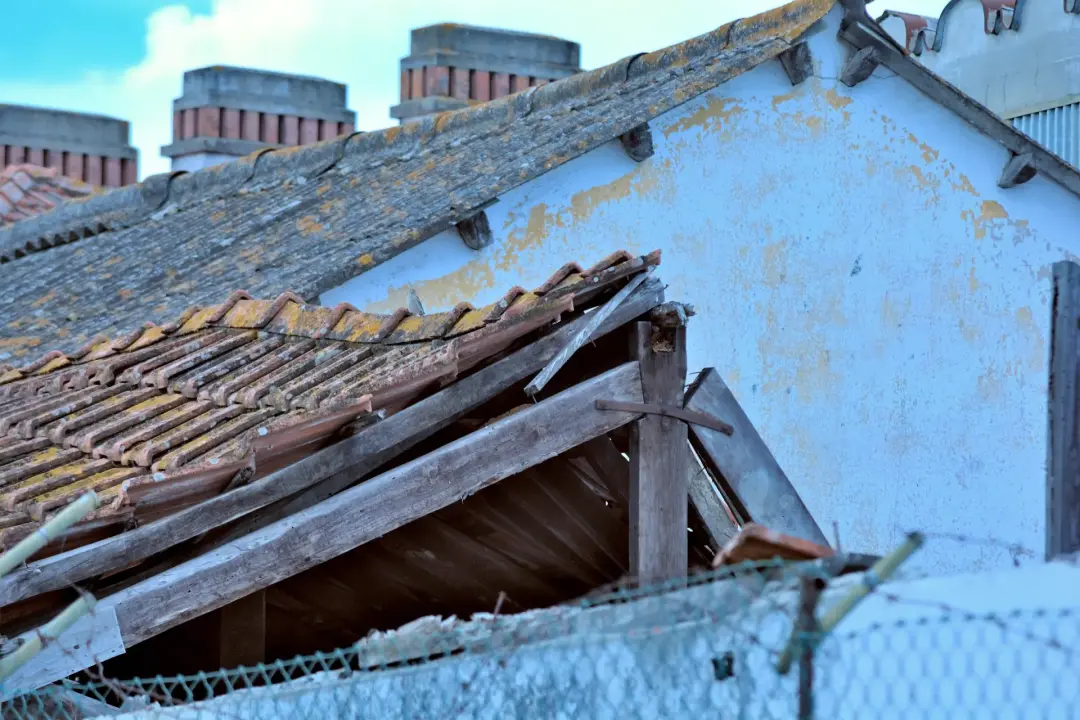
There are several signs that your pitched roof may need attention. One of the most obvious signs is missing, cracked, or slipped tiles. Even one damaged tile can let rainwater enter the roof space, which can lead to damp, mould, or timber damage if it's left untreated.
Loose ridge tiles, broken slates, and gaps around the roof edges should also be checked out quickly. Additionally, water stains on the ceiling, peeling paint, mould patches, or a musty smell in the loft can all suggest there's a roof leak. You may also notice light coming in through the roof when you're standing in the loft, which can mean there are gaps in the covering.
Blocked or overflowing gutters can also be signs that your roof needs repairing. Leaves, moss, and dirt can stop rainwater from draining properly, which can cause the water to run down the walls or pool near the roof edges.
Checking for Broken or Missing Tiles
Tiles and slates protect the roof from rain, wind, frost, and debris, and if one of them becomes cracked or loose, water can enter the roof structure. Over time, this can lead to issues like damp, mould, damaged insulation, and rotten timber.
You can check for this issue by looking for any gaps, uneven rows, slipped tiles, cracked tiles, or areas where the roof covering looks different. It's also worth checking the roof after strong winds, heavy rain, or storms, since bad weather can also move the tiles out of place. The gutters should also be checked for broken pieces of tile, since they can show that the roof covering is wearing down or has been damaged.
Looking for Cracks in Slate or Roof Coverings
Slates, tiles, and other roof coverings form the first layer of protection against rain, wind, frost, and changing weather. When cracks start to appear, water can get beneath the surface. At first, the damage may seem small, but over time it can lead to leaks, damp patches, damaged insulation, and rotten roof timber. Cracks can be caused by age, storm damage, frost, falling branches, foot traffic, or natural wear and tear. Slates can also become brittle as they get older, making it more likely for them to split or break.
Keeping Gutters and Downpipes Clear
Keeping your gutters and downpipes clear is an important part of pitched roof maintenance. A pitched roof is designed to let rainwater run down into the guttering system, and from there, the water should be able to flow through the downpipe and away from the property. If the gutter or downpipe becomes blocked, water can overflow and damage the roof edges, fascias, walls, and foundations.
Leaves, moss, twigs, and dirt can build up quickly, especially during autumn and after storms, and when this debris blocks the water flow, rain can pool around the lower edge of the roof or spill under the tiles. Over time, this can lead to issues like damp, rot, leaks, and damage to the roof structure.
Blocked gutters can also become heavy, which can cause them to sag, crack, or pull away from the building. Homeowners should check their gutters regularly and clear away any visible debris. It's also worth checking your downpipe and making sure water is draining freely. Keeping your guttering system in good condition can help you protect your pitched roof and prevent water damage.

Removing Moss, Leaves and Debris
Removing moss, leaves, and debris is an important part of pitched roof maintenance. Over time, leaves, twigs, dirt, and moss can collect on the roof slope, in the valley, around the chimney, and along the gutter. If this build-up is left or ignored, it can stop rainwater from flowing away properly, which can cause water to sit on the roof or overflow, increasing the risk of issues like damp, leaks, and damage to the roof edges.
Moss can be a particular problem because it retains moisture. When moss grows heavily, it can keep the tiles or slates wet for longer, and in cold weather, this moisture can freeze and expand, which can lead to cracks or loosened roof coverings.
Moss can also slide into your gutter and downpipe and cause blockages. Clearing this debris can help reduce any extra weight on the roof and ensure water can drain away freely. Removing moss can also make it easier for you to spot damaged tiles, cracked slates, loose flashing, or other issues before they become more serious.
Checking the Roofline, Fascias and Soffits
The roofline is where the roof meets the walls, the fascias support the guttering, and the soffits sit underneath the roof edge. Together, they help keep rainwater, pests, and damp away from the roof structure. If the fascias or soffits become cracked, rotten, loose, or damaged, water can get into the roof space and cause issues like damp, mould, and timber rot.
Damaged fascias can also cause the gutter to sag or pull away, which can stop rainwater from draining properly from the pitched roof. The most common signs of this issue homeowners should look out for are peeling paint, soft timber, cracks, gaps, stains, or signs of birds and insects entering the roofline. It's also worth checking that your gutter is firmly fixed and that water isn't spilling over the edge.
Spotting Early Signs of Leaks
A small leak might not seem serious at first, but it can quickly lead to damp, mould, damaged insulation, and rotten timber if it's ignored for too long. In many cases, leaks generally start around weak points like cracked tiles, slipped slates, chimneys, roof valleys, skylights, flashing, or damaged roof edges. There's a range of warning signs that homeowners can look for both inside and outside the property.
Inside the home, water stains on the ceiling or walls, peeling paint, mould patches, damp smells, or wet insulation in the loft all suggest that water is getting in. Daylight coming in through the loft or dark patches on the timber can also point to a problem.
On the outside, issues like missing tiles, cracked slates, loose flashing, blocked gutters, and moss build-ups can all increase the risk of leaks. Finding leaks early on can help you keep the repair costs to a minimum and prevent the damage from spreading.
Checking the Loft for Damp or Mould
A pitched roof may look fine from the ground up, but small leaks can let water into the roof space. If this is left untreated, it can damage your insulation, roof timbers, ceilings, and stored items. Homeowners should look for signs like water stains, dark patches on timber, wet insulation, peeling paint, mould, or a musty smell inside their loft. It's also worth checking to see if daylight is coming in through gaps in the roof covering, since this may suggest there are missing tiles, cracked slates, or damaged flashing.
Why Roof Ventilation Matters
Roof ventilation matters because it helps keep your pitched roof dry, balanced, and protected from long-term damage. A roof space can collect warm, moist air from inside the home, especially from areas like bathrooms, kitchens, and bedrooms. If this moisture has nowhere to go, it can quickly turn into condensation.
Over time, this can lead to damp, mould, rot, and damage to the timber, insulation, and roof materials. Good ventilation allows air to move through the roof space and carry moisture away. This helps reduce the risk of condensation and keeps the loft healthier. It can also help your insulation work properly, since damp insulation is less effective and can increase your heat loss.
Poor ventilation can also cause hidden problems, such as musty smells, mould, wet insulation, or water droplets on the underside of the roof. These issues should not be ignored, since they can lead to expensive repairs if they're left untreated.
Inspecting Flashing Around Chimneys and Roof Windows
Flashing is the material that's used to seal the joints where the roof meets the chimney, skylight, roof window, walls and valley. Over time, the flashing can crack, lift, corrode, or come loose due to harsh wind, rain, frost, age, or general movement, and when this happens, rainwater can seep underneath the roof covering and enter the loft or rooms below. This can lead to issues like damp patches, mould, stained ceilings, damaged insulation, and rotten timber.
In this case, homeowners should look for loose edges, gaps, splits, rust, missing sealant, or signs that the flashing has pulled away from the chimney or roof window. Any dark marks, wet areas, or a musty smell near these points inside the loft can also suggest that there's a leak. Checking the flashing regularly can help you catch small problems early on, and keeping these areas secure helps the pitched roof stay watertight.
How Weather Can Damage a Pitched Roof
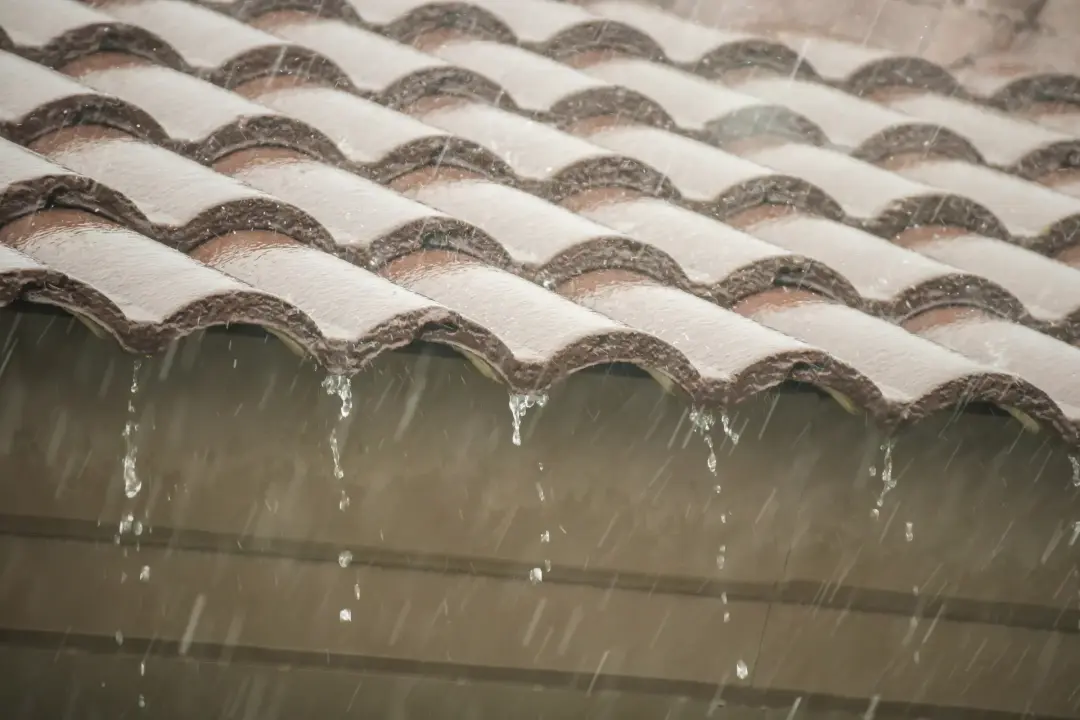
Weather can damage a pitched roof in several ways. Heavy rain can find its way through cracked tiles, slipped slates, loose flashing, or weak roof joins, and once water enters the roof space, it can cause damp, mould, damaged insulation, and rotten timber. Strong winds can also lift the tiles, move the ridge tiles, damage the guttering, or loosen the flashing around your chimney or roof windows. Even small gaps can become serious problems if they're not repaired quickly.
Frost can also cause problems since water that's entered through tiny cracks in the tiles or slates can freeze and expand, causing the cracks to get bigger and weaken the roof covering over time. Snow and ice can also add extra weight to the roof and block your gutter as they melt. Leaves, moss, and debris can also build up after bad weather and stop rainwater from draining away properly.
When to Call a Roofing Contractor
You should call a roofing contractor if you notice any damage that can't be safely checked or repaired from the ground. Pitched roofs can be high, steep, and difficult to access, so climbing onto the roof yourself can be dangerous. A trained roofer has the right equipment and experience to inspect the roof safely.
It's best to call a contractor if you see missing, cracked, or slipped tiles, loose ridge tiles, damaged flashing, or signs of a leak inside your home. Damp patches, mould, water stains, or daylight coming through the loft can all suggest that water is getting in through the roof covering. Getting professional help early on can stop small issues from becoming bigger and more expensive. Regular inspections from a roofer can also help you keep your pitched roof safe, watertight, and in good condition for longer.
Common Maintenance Mistakes to Avoid
There are several maintenance mistakes you should avoid when you're looking after your pitched roof. One of the biggest mistakes to avoid is ignoring small problems, such as a cracked tile, loose flashing, or a blocked gutter, for a long time. These issues may seem minor at first, but they can quickly lead to leaks, damp, and expensive repairs if they're left untreated.
Another mistake to avoid is trying to climb onto the roof yourself without the right equipment or experience. Pitched roofs can be steep and dangerous, especially when they're wet or covered in moss. It's safer to check the roof from the ground and call a roofing contractor when you need one.
Homeowners should also avoid using harsh cleaning methods, such as pressure washing, since this can damage the roof covering and force water into the roof space. Leaving moss, leaves, and debris to build up is another problem, since it can block up your gutter and cause rainwater to overflow.
Seasonal Pitched Roof Maintenance Checklist
During spring, you should make a note to check for damage caused by the winter weather, such as cracked tiles, loose ridge tiles, damaged flashing, and damp in the loft. You should also clear your gutter and downpipe during spring so that rainwater can drain away properly.
In summer, you should clear any moss, leaves, and debris on the roof and valleys. This is also a good time to arrange for any repairs, since the weather is usually drier.
During autumn, you should clear any fallen leaves from your gutter, downpipe, and roof edges before heavy rain becomes a common occurrence, and in winter, make sure to check the roof after storms, strong winds, frost, or snow.
Always be on the lookout for missing tiles, sagging gutters, or loose materials. Additionally, don't forget to check for leaks, mould, or musty smells inside the loft. Overall, seasonal checks can help you prevent small problems from becoming big, expensive repairs.
How Regular Maintenance Can Save Money
Regular pitched roof maintenance can save you money in the long run by helping you deal with small problems early on. A cracked tile, loose flashing, blocked gutter, or small leak may not seem serious at first, but these issues can quickly lead to damp, mould, damaged insulation, and rotten timber if they're ignored for too long.
By checking your roof regularly, you can spot early warning signs and arrange a repair service quickly. Good maintenance can also help your pitched roof last longer. When the tiles, slates, flashing, ventilation, and guttering are kept in good condition, your roof can protect your property for longer and more effectively.
Excellent Building & Roofing provides reliable roofing services for homes and businesses across Croydon, Streatham and Mitcham. From new roof builds to replacement roofs, our skilled roofers combine quality materials and meticulous workmanship to create strong, weather-resistant results.