Roof leaks can develop for many reasons, from broken tiles and damaged flashing to worn waterproofing. Understanding how repairs are carried out can help homeowners know what to expect. This article explains the main steps commonly involved in finding, repairing and checking roof leaks in the UK.
The Roof is Inspected
A roof leak inspection usually begins with a careful check of the areas where water may be entering from. Professionals may inspect your tiles, slates, flashing, valleys, gutters, roof edges, vents and other joints for signs of damage or wear and tear. The inside of your property may also be checked for damp patches, water stains, damaged ceilings or moisture in the roof space. Flat roofs may also be checked for splits, damaged joints or standing water.
This step is important because the area where water appears indoors is not always the exact point where the roof is leaking. Water can travel along the roof timbers or beneath your roofing materials before becoming visible. A thorough inspection can help identify the true cause of the leak and the extent of the damage.
Any Damaged or Loose Roofing Materials Are Removed
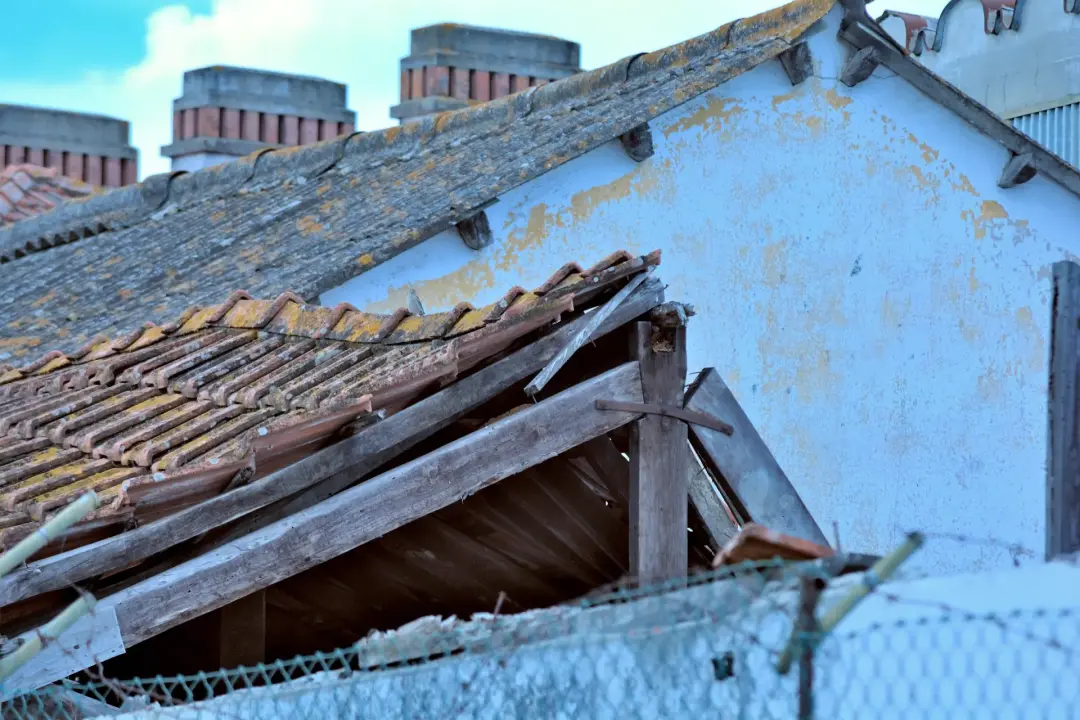
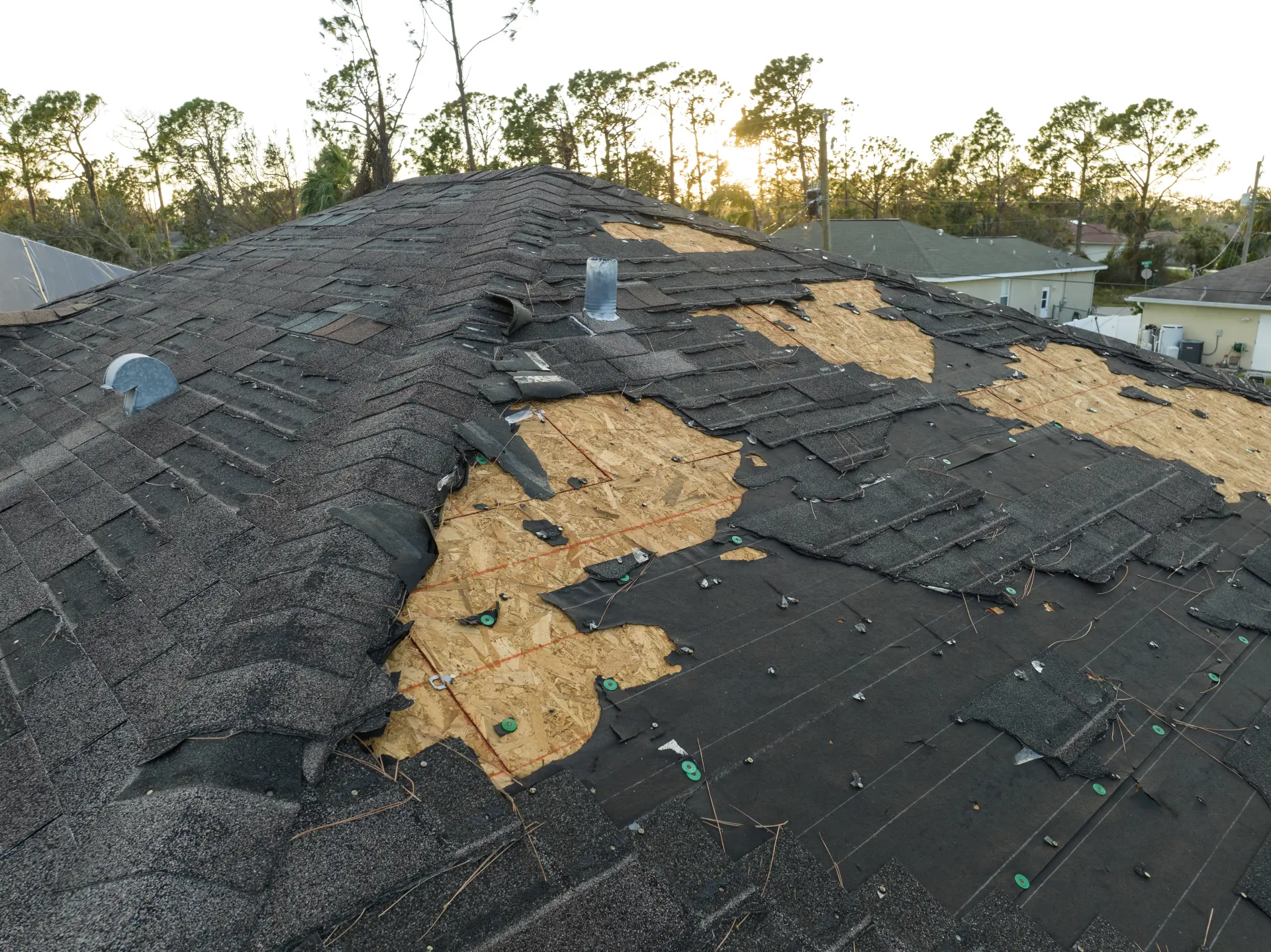
During a roof leak repair service, any damaged or loose roofing materials are carefully removed so that the affected area can be properly repaired. This can include removing cracked tiles, broken slates, damaged felt, loose flashing or worn-out sections of a flat roof covering.
The roofing contractor will first make the area safe and identify which materials need to be taken away. Then, any loose or broken sections are removed without causing unnecessary damage to the surrounding roof structure. Once the damaged materials have been cleared, the contractor can inspect the surface underneath for signs of moisture damage, rot or other problems.
The Damaged Area is Cleaned and Prepared
After the damaged roofing materials have been removed, the exposed area is cleaned and prepared before the new materials are fitted. The contractor may remove dirt, loose debris, old sealant, broken pieces of roofing and any material that could prevent the new materials from bonding or fitting correctly.
The area is then checked for signs of trapped moisture, damaged underlay, weakened timber or other faults beneath the roof covering. Any affected parts may need to be repaired or allowed to dry before the next stage begins.
This step is important because new roofing materials need a clean, stable surface to latch onto properly. Leaving debris, moisture or damaged materials behind can reduce the new roof's effectiveness and allow the leak to return.
The Waterproofing is Repaired or Replaced
The waterproofing membrane is often repaired or replaced during a roof leak repair service when it has become torn, cracked or punctured. This layer helps create a barrier between rainwater and the roofing materials underneath, and once the damaged materials have been removed, the membrane can be inspected more closely.
Small defects in the membrane can be repaired with suitable waterproof materials, while larger or badly damaged sections may need to be completely replaced. Damaged waterproofing can allow rainwater to reach your insulation, roof decking, timbers, ceilings and internal finishes, and, if water continues to enter, the damage can spread and become more difficult to repair.
Broken, Slipped or Missing Tiles/Slates are Replaced
Broken, slipped or missing tiles and slates are generally replaced during a roof leak repair service because they can leave parts of the roof exposed. Roof coverings are designed to overlap and direct water safely towards the guttering, so when a tile or slate is damaged or moves out of place, the water may reach the underlay and roof structure below.
During the repair service, the affected tiles or slates are removed, and suitable replacements are fitted so that they sit correctly with the surrounding roof covering. Replacing damaged or missing tiles and slates can help you restore your roof’s weather protection, improve its drainage and reduce the risk of the same area leaking again.
The Flashing, Vents, Pipes and Roof Edges Are Resealed
The flashing, vents, pipes and roof edges are often resealed during a roof leak repair service because these areas contain joints and openings where water can enter from. Over time, sealants can crack, loosen or wear away, while the flashing may lift or become damaged. During a repair service, the contractor will inspect these areas for signs of gaps, failed seals or loose materials.
Any old or damaged sealant is then removed before the surface is cleaned and prepared. New suitable sealing materials can then be applied, and any damaged flashing can be repaired or replaced. This step is important because even a small gap around a vent, pipe or roof edge can allow rainwater to pass into the roof structure.
The Roof Covering is Restored and Tested
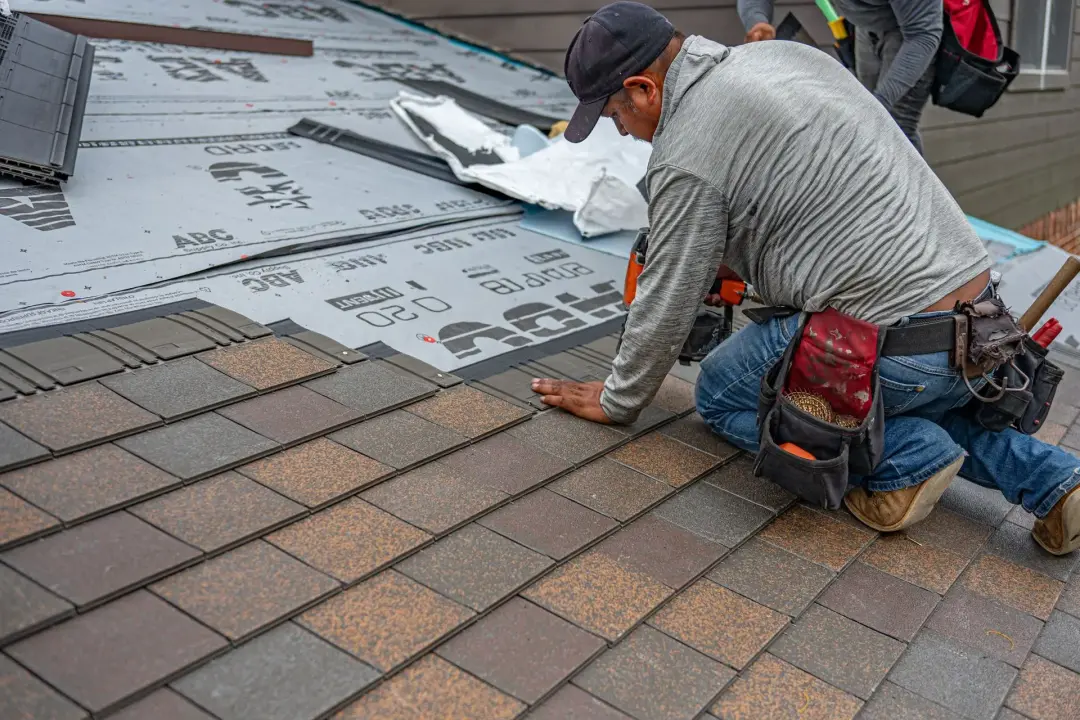
The roof covering is restored near the end of a roof leak repair service so that the repaired area is fully protected against rain and other weather conditions.
Replacement tiles, slates, felt or other roofing materials are fitted back into position and secured correctly, and the contractor will check the repaired section to make sure the roof covering sits properly. The joints, flashing, edges and other nearby areas may also be inspected to confirm that there are no visible gaps or weaknesses.
Testing the roof is important because it helps confirm that the source of the leak has been repaired and that water should no longer be able to enter through the affected area.
A Final Inspection is Carried Out
The final inspection takes place after the main roof repair work has been done, and during this stage, the contractor will check the repaired area to make sure the replacement materials are secure and that the roof covering has been restored correctly.
Any tiles, slates, flashing, seals, joints, vents, pipes and roof edges may also be checked again for signs of gaps, movement or poor fitting. Your gutters and drainage points may also be checked if they were connected to the original leak.
This step is important because it helps confirm that the main fault has been dealt with. A final inspection can also help identify any remaining weaknesses that need fixing, which can help protect the roof from future water damage.
Excellent Building & Roofing provides professional roof leak repair services to identify and fix damaged waterproofing, drainage problems and other common faults. We can help stop water from entering your property and reduce the risk of damp, mould and further damage.