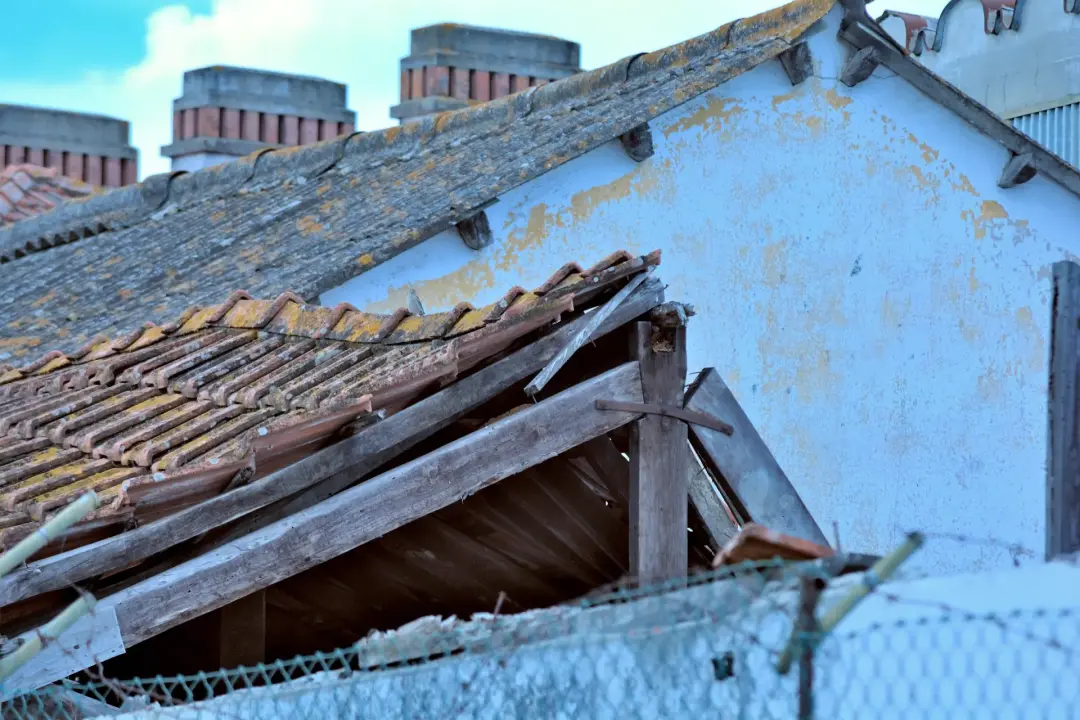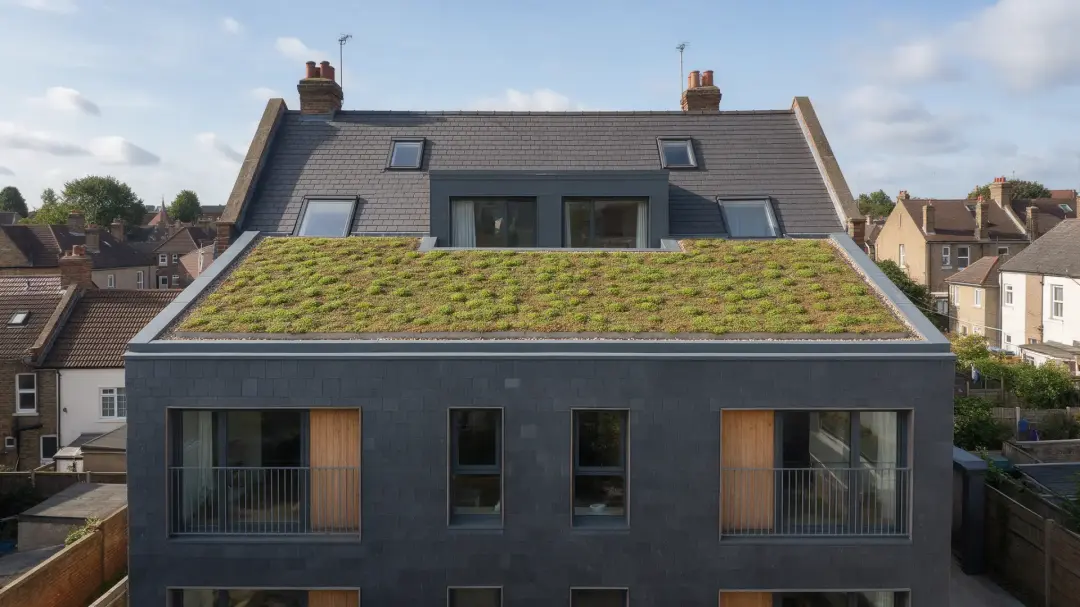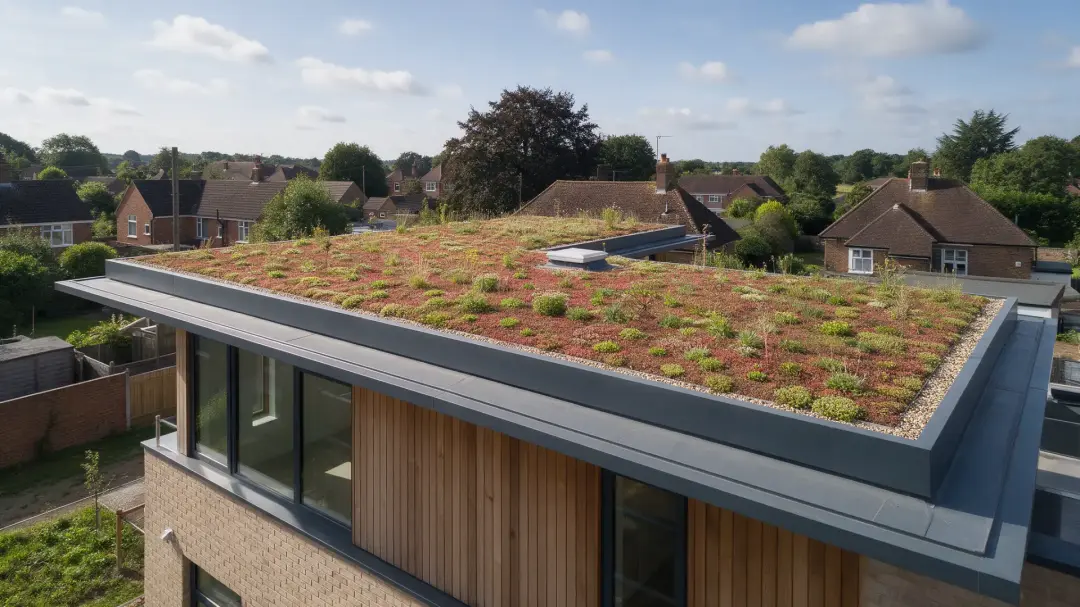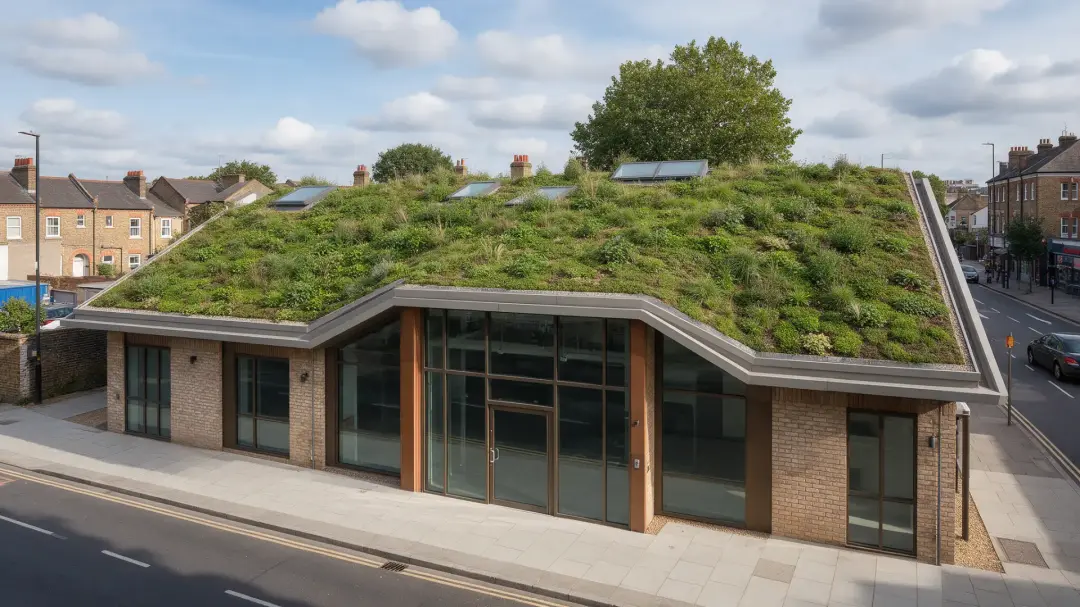
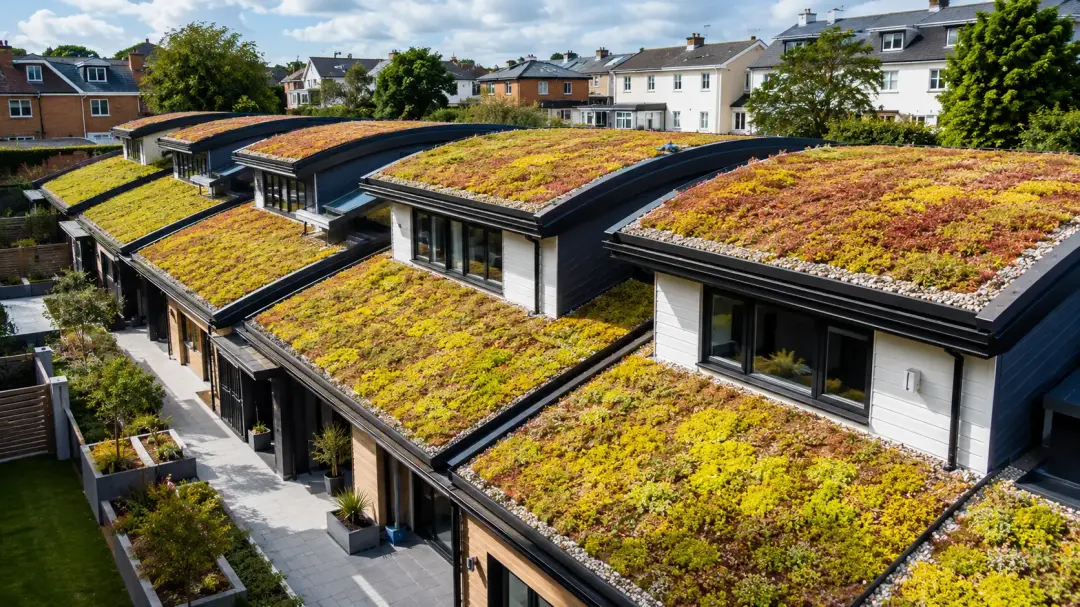
Green roofs have many practical benefits, but they can still develop leaks if parts of the system become damaged or poorly maintained. This article explains the main causes of green roof leaks, the warning signs to look for, and why repairs are important for protecting the building underneath.
Damaged Waterproof Membrane
The waterproof membrane is one of the most important parts of a green roof because it prevents rainwater from passing into the building below. If this membrane is poorly sealed or becomes torn, punctured or cracked, water can move through the damaged area and cause a leak.
This type of membrane damage can happen during the installation process, maintenance work or through general wear over time. However, once the water gets below the membrane, it can be difficult to see exactly where the leak started since the moisture may have travelled beneath the roof layers.
Poorly Installed Waterproofing
The waterproof layer must form a continuous barrier beneath the growing medium, drainage layer and vegetation, so if the membrane is fitted incorrectly, any gaps, weak joints or poorly sealed edges can let water pass through.
Since green roofs contain several layers of material, the point where water appears inside your property might actually be quite far away from where the water is entering from. Leaks caused by poor waterproofing can damage your insulation, roof decking, ceilings and internal finishes, as well as cause damp and mould to grow.
The main signs your waterproofing is poorly installed are damp patches on your ceilings or walls, water stains, persistent moisture inside the roof space, ponding water on the roof and problems around your drains, edges or roof penetrations.
Punctures and Failed Joints
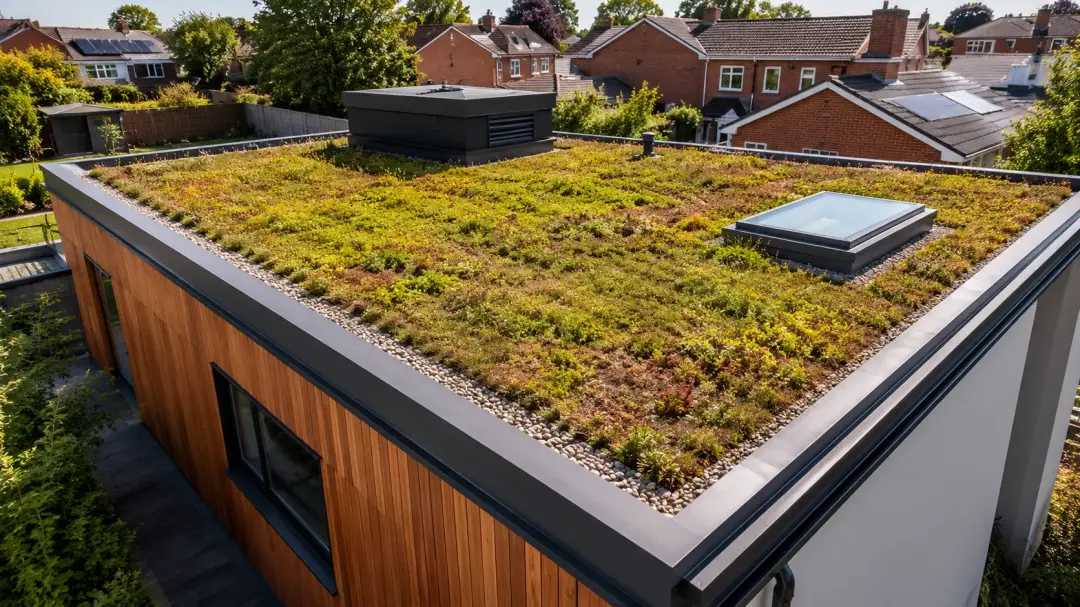
Punctures and failed joints can cause leaks in a green roof by creating openings in the waterproof membrane. The membrane sits beneath the drainage layer, growing medium and vegetation, so even a small defect can allow water to reach the roof structure below.
Punctures can occur during the membrane's installation or during any maintenance work. Sharp tools, fixings or heavy equipment can also damage the waterproof layer if it is not properly protected. The joints can also fail if sections of the membrane are not sealed correctly, if the materials move over time or if the joint becomes worn out.
Once water passes through a puncture or a failed joint, it can travel beneath the roof layers, making the source difficult to locate.
Blocked Drainage Outlets
Blocked drainage outlets can increase the risk of leaks occurring in your green roof because they prevent rainwater from leaving the roof properly. Green roofs have drainage layers and outlets that are designed to move excess water away after rainfall; however, if an outlet becomes blocked by leaves, soil, plant material, moss or other debris, the water can begin to collect on the roof.
Standing water can put extra pressure on the waterproof membrane, and it can even begin to find its way through any weak joints, damaged sections or poorly sealed areas. If the blockage is not cleared away, rainwater may also begin to build up around your roof edges, drainage points and other vulnerable areas. Over time, this can increase the risk of moisture reaching the insulation, roof deck or the internal parts of your building.
The main signs of this issue to look out for are water remaining on your roof, slow drainage, pools of water around your outlets, water stains or damp patches and overflowing water near your roof edges.
Standing Water
Green roofs are designed to retain some level of moisture for the plants, but excess water should still be able to move through the drainage layer and towards the outlets. If water remains on the roof for long periods of time, it can put pressure on the waterproof membrane underneath the green roof system. Any small weakness, punctures, failed joints or poorly sealed areas can then end up allowing this water to pass through.
Once moisture gets below the membrane, it can affect your insulation, roof deck and internal parts. Standing water is mainly caused by blocked drainage outlets, poor roof falls, damaged drainage layers or sections of the roof that have settled over time. Standing water can also leave parts of the roof waterlogged, which can affect the plants' health and put extra weight on your roof structure.
Leaks linked to standing water can be difficult to trace because the water may travel beneath the roof layers before becoming visible indoors. However, regular inspections and maintenance can help you identify this drainage problem and reduce the risk of standing water causing further damage.
Poorly Sealed Roof Edges and Upstands
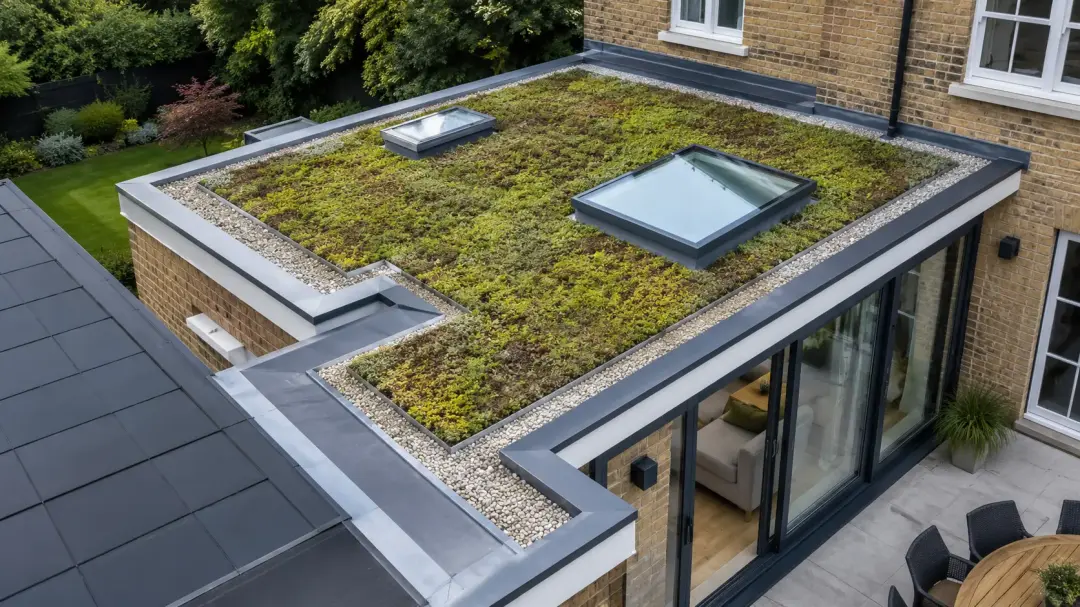
Poorly sealed roof edges and upstands can allow water to enter a green roof system through some of its most exposed points. Upstands are raised sections where the waterproofing meets your walls, rooflights or other features. These areas need to be properly sealed so that rainwater cannot pass behind or underneath the waterproof layer. Similarly, if the seals become loose, cracked, damaged or are poorly fitted, water can move into the roof.
Wind-driven rain can make this problem worse, especially around any exposed edges and corners. This is because once water gets below the waterproof membrane, it can travel through the roof layers and damage your insulation or cause damp and mould growth. Regular inspections are important because faults around your roof edges are not always easy to see from inside the property. A professional can remove any nearby green roof materials, reseal the damaged areas and restore your waterproofing membrane so that the affected section is properly protected.
Weather Damage
Heavy rain, strong winds, frost and repeated changes in temperature can all put pressure on your green roofing materials over time. Strong winds can move your vegetation, gravel or other loose materials, which can expose or damage parts of the roof system.
Frost and changing temperatures can also affect any existing cracks, joints and seals, and heavy rainfall can make these weaknesses more noticeable, especially if your drainage outlets are blocked.
Once the waterproof membrane or sealed areas are damaged, rainwater can start to enter the roof structure. A professional inspection can help you identify any damaged areas, check the waterproofing and drainage system, and arrange for suitable repairs.
Root Damage and Falling Debris
Green roofs rely on a waterproof membrane, and if this membrane becomes damaged, water can pass into the roof. Plant roots can end up puncturing this membrane if unsuitable species are used or if the roof does not have an effective root barrier.
Over time, strong plant roots can reach weak joints or damaged areas in the membrane and make any existing defects worse. Falling branches, sharp debris or other heavy objects can also puncture or tear the waterproof membrane. The debris may also damage the vegetation and protective layers above it, leaving the waterproofing membrane more exposed to damage.
Excellent Building & Roofing provides green roof leak repair services to identify and fix damaged waterproofing, drainage problems and other common faults. We can help stop water from entering your property and reduce the risk of damp, mould and further damage.